
3 Days Queen Elizabeth National Park Safari
Experience Uganda's most diverse wildlife destination on this comprehensive 3-day safari through Queen Elizabeth National Park. Home to the famous tree-climbing lions of Ishasha, over 600 bird species, and the spectacular Kazinga Channel boat safari, this park offers incredible wildlife viewing opportunities. Track lions in fig trees, cruise the Kazinga Channel for hippos and crocodiles, spot elephants, buffalo, and antelope on game drives, and enjoy the stunning backdrop of the Rwenzori Mountains. This safari combines the best of Uganda's wildlife with comfortable accommodation and expert guides.
Safari Highlights
- Tree-climbing lions - famous lions of Ishasha sector that climb fig trees
- Kazinga Channel boat safari - cruise among hippos, crocodiles, and water birds
- 600+ bird species - one of Uganda's premier birding destinations
- Big Five potential - elephants, buffalo, lions, leopards, and rhinos
- Rwenzori Mountains backdrop - stunning views of the "Mountains of the Moon"
- Diverse ecosystems - savanna, wetlands, forests, and crater lakes
- Chimpanzee tracking - optional chimpanzee trekking in Kyambura Gorge
- Comfortable accommodation - lodges with stunning park views
- Expert guides - professional safari guides with extensive park knowledge




About 3 Days Queen Elizabeth National Park Safari
Uganda's Premier Wildlife Destination
Queen Elizabeth National Park stands as Uganda's most diverse and accessible wildlife destination, spanning 1,978 square kilometers of savanna, wetlands, forests, and crater lakes. Named after Queen Elizabeth II, this park offers the perfect introduction to East African wildlife with its famous tree-climbing lions, spectacular Kazinga Channel boat safari, and incredible bird diversity. The park's varied ecosystems support over 95 mammal species and 600+ bird species, making it one of Africa's premier wildlife destinations.
Located in western Uganda between Lake Edward and Lake George, Queen Elizabeth National Park offers diverse landscapes from open savanna to dense forests, crater lakes to wetlands. The park's most famous residents are the tree-climbing lions of Ishasha sector, which climb fig trees to escape the heat and get a better view. The Kazinga Channel, connecting Lake Edward and Lake George, offers one of Africa's most spectacular water safaris with hippos, crocodiles, and abundant water birds.
Incredible Wildlife Diversity
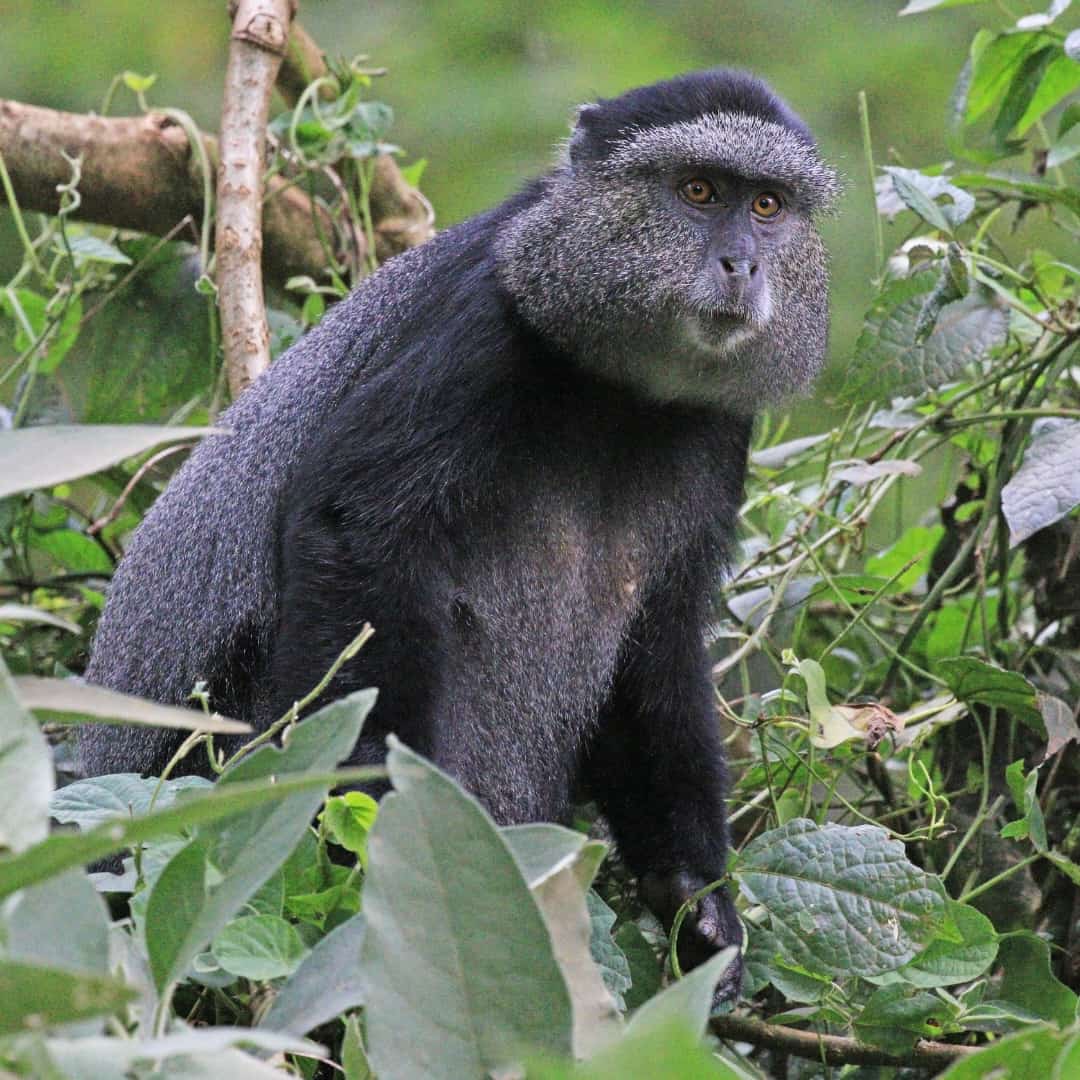
Queen Elizabeth National Park boasts extraordinary wildlife diversity: 95+ mammal species including the Big Five (elephants, buffalo, lions, leopards, and rhinos), tree-climbing lions, hippos, crocodiles, and various antelope species; 600+ bird species making it one of Uganda's premier birding destinations; 10 primate species including chimpanzees, baboons, and various monkey species. The park's diverse ecosystems support everything from savanna wildlife to forest-dwelling species.
Key Safari Experiences
Tree-Climbing Lions: The famous lions of Ishasha sector that climb fig trees to escape the heat and get a better view of their surroundings. This unique behavior is rarely seen elsewhere in Africa.
Kazinga Channel Boat Safari: One of Africa's most spectacular water safaris, cruising among hippos, crocodiles, and abundant water birds. The channel connects Lake Edward and Lake George.
Game Drives: Morning and afternoon game drives in the Kasenyi plains and Mweya sector searching for elephants, buffalo, lions, leopards, and various antelope species.
Chimpanzee Tracking: Optional chimpanzee tracking in Kyambura Gorge, offering the chance to see our closest relatives in their natural habitat.
Conservation & Community Benefits
Queen Elizabeth National Park represents a successful model of conservation and community development. Tourism revenue supports wildlife protection, anti-poaching efforts, veterinary care, and community development projects. The park's revenue-sharing program ensures that local communities benefit directly from tourism, creating strong incentives for conservation. This approach has helped maintain healthy wildlife populations while improving the livelihoods of surrounding communities.
Rwenzori Mountains Backdrop
Queen Elizabeth National Park offers stunning views of the Rwenzori Mountains, known as the "Mountains of the Moon." These snow-capped peaks provide a dramatic backdrop to wildlife viewing and create unique microclimates that support diverse ecosystems. The mountains are visible from many parts of the park, adding to the spectacular scenery and making every safari drive a visual feast.
Best Time to Visit
Dry Seasons (June-September & December-February): Best wildlife viewing conditions with animals concentrated around water sources, easier game drives, and better photography opportunities. Peak season with higher accommodation costs.
Wet Seasons (March-May & October-November): Lush green landscapes, excellent for photography, fewer tourists, and more affordable accommodation. Wildlife viewing is still excellent with animals more dispersed.
Queen Elizabeth National Park offers excellent wildlife viewing year-round. The park's diverse ecosystems ensure that there's always something exciting to see regardless of the season.