
Gorilla trekking in Rwanda's Volcanoes National Park offers one of the world's most profound wildlife encounters. Trek through misty bamboo forests and dense vegetation on the slopes of the Virunga Mountains to spend one magical hour with endangered mountain gorillas in their natural habitat. Rwanda's efficient permit system, excellent infrastructure, and commitment to conservation make it the premium destination for gorilla trekking. With only around 1,000 mountain gorillas remaining in the wild, this intimate experience with our closest relatives is both humbling and unforgettable—a bucket-list adventure combining conservation, luxury, and raw wilderness.
🦍 Why Choose Rwanda for Gorilla Trekking?
Rwanda has become the world's premier destination for gorilla trekking, offering an unmatched combination of accessibility, conservation success, and luxury safari experiences. The country's commitment to wildlife protection has resulted in a thriving mountain gorilla population, now numbering over 600 individuals in the Virunga Massif.
Why Rwanda stands out:
- Only 1-2 hours from Kigali to Volcanoes National Park
- World-class lodges and infrastructure
- Strict conservation and habituation protocols
- Expert tracker guides with decades of experience
- 12+ habituated gorilla families to visit
- Safe, politically stable, and welcoming environment

Mount Kilimanjaro (5,895m)
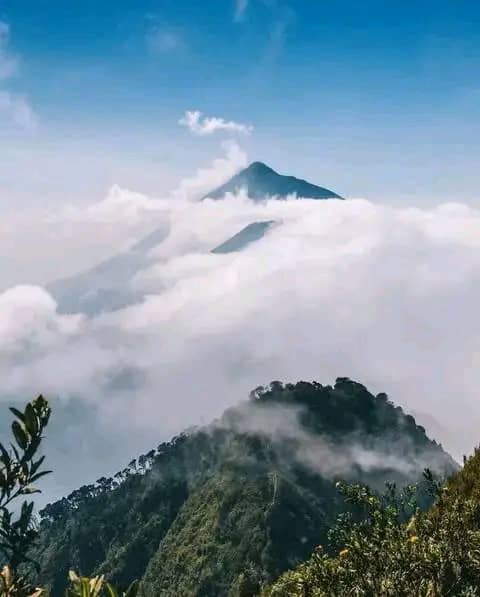
While Kilimanjaro is primarily in Tanzania, several routes start from Kenya's side, offering unique perspectives and less crowded approaches. The mountain provides the ultimate high-altitude challenge with its snow-capped summit and diverse climate zones.
Kilimanjaro highlights:
- Africa's highest peak at 5,895 meters
- Seven different routes with varying difficulty
- Dramatic climate zones from tropical to arctic
- High success rate with proper acclimatization
- Breathtaking sunrise summit views
- No technical climbing required
Aberdare Range (4,001m)
The Aberdare Range offers excellent mountain climbing opportunities with peaks like Mount Satima (4,001m) and Mount Kinangop (3,906m). These mountains provide challenging hikes through bamboo forests, moorlands, and alpine zones, with excellent wildlife viewing opportunities.
- Mount Satima: Highest peak in Aberdare Range, challenging hike through bamboo and moorland
- Mount Kinangop: Popular day hike with stunning views
- Elephant Hill: Unique rock formation, excellent for rock climbing
- Rich wildlife including elephants, buffalo, and rare mountain species
- Less crowded than Mount Kenya
Mount Elgon (4,321m)
Located on the Kenya-Uganda border, Mount Elgon offers a less crowded alternative to Mount Kenya. The mountain features the world's largest volcanic caldera and provides excellent hiking through diverse ecosystems.
Cherangani Hills (3,581m)
The Cherangani Hills offer excellent trekking opportunities with peaks like Mount Sekerr (3,581m). These mountains provide challenging hikes through indigenous forests and offer stunning views of the Rift Valley.
Ngong Hills (2,460m)
Perfect for beginners or those seeking a day hike near Nairobi, the Ngong Hills offer gentle slopes with panoramic views of the Great Rift Valley and Nairobi skyline. Popular for training climbs and weekend adventures.
🗓️ Best Time for Mountain Climbing in Kenya
Kenya's mountain climbing season is primarily determined by weather conditions, with dry seasons offering the best climbing opportunities. Understanding seasonal patterns helps ensure safe and successful summit attempts.
Peak Climbing Season (Best Time)
January to March: Excellent conditions with clear skies, minimal rainfall, and stable weather. Ideal for high-altitude climbing and summit attempts.
July to October: Another prime climbing season with dry conditions and good visibility. Popular for Mount Kenya and Kilimanjaro expeditions.
- Clear skies and excellent visibility
- Stable weather conditions
- Less snow and ice on technical routes
- Optimal temperatures for high-altitude climbing
Peak Season Advantages:
- Highest success rates for summit attempts
- Best weather for technical climbing
- Excellent photography conditions
- More predictable weather patterns
- Better trail conditions
- Optimal for acclimatization
Shoulder Seasons
April to June and November to December: Transitional periods with mixed weather conditions. These months offer some advantages:
- Fewer crowds: Less crowded routes and campsites
- Lower costs: Reduced prices for guides and equipment
- Wildlife viewing: Better wildlife encounters in lower elevations
- Unique conditions: Different lighting and atmospheric conditions
- More challenging: Requires more experience and preparation
Seasonal Considerations by Mountain
- Mount Kenya: Best climbed January-March and July-October. Avoid April-June (heavy rains)
- Kilimanjaro: Year-round possible, but January-March and July-October are optimal
- Aberdare Range: Best during dry seasons, avoid April-June
- Mount Elgon: Can be climbed year-round, but dry seasons are preferred
- Ngong Hills: Accessible year-round, best during dry seasons
🎯 Climbing Routes & Difficulty Levels
Kenya offers mountain climbing routes for every skill level, from beginner-friendly hikes to technical rock climbing challenges. Understanding route difficulty helps you choose the right adventure for your experience level.
Mount Kenya Routes
Naro Moru Route (Most Popular):
- Difficulty: Moderate to challenging
- Duration: 4-5 days
- Highlights: Vertical bog, fastest route to Point Lenana
- Best for: Experienced hikers seeking quick ascent
Sirimon Route:
- Difficulty: Moderate
- Duration: 5-6 days
- Highlights: Gradual ascent, excellent acclimatization
- Best for: First-time climbers
Chogoria Route:
- Difficulty: Challenging
- Duration: 6-7 days
- Highlights: Most scenic, Gorges Valley
- Best for: Experienced climbers
Technical Peaks (Batian/Nelion):
- Difficulty: Very challenging
- Duration: 7-10 days
- Requirements: Technical rock climbing skills
- Best for: Expert climbers only
Kilimanjaro Routes from Kenya
- Marangu Route: "Coca-Cola Route" - easiest, hut accommodation
- Machame Route: "Whiskey Route" - more challenging, camping
- Lemosho Route: Most scenic, excellent acclimatization
- Rongai Route: Less crowded, northern approach
- Umbwe Route: Most challenging, steepest ascent
Difficulty Classifications
- Beginner: Ngong Hills, Mount Elgon (hiking only)
- Intermediate: Point Lenana (Mount Kenya), Aberdare Range
- Advanced: Kilimanjaro, technical Mount Kenya routes
- Expert: Batian/Nelion peaks, technical rock climbing
🎒 Mountain Climbing Packing Essentials
Proper preparation is crucial for safe and successful mountain climbing. Here's your comprehensive packing list for Kenya's peaks:
Clothing & Layering
- Base layers: Merino wool or synthetic moisture-wicking
- Insulating layers: Fleece jacket and down/synthetic jacket
- Shell layers: Waterproof jacket and pants
- Hiking pants: Convertible to shorts preferred
- Warm accessories: Hat, gloves, buff/neck gaiter
- Socks: Wool blend, multiple pairs for rotation
- Gaiters: For snow, mud, and rock protection
Technical Gear
- Mountaineering boots: Waterproof, insulated, crampon-compatible
- Climbing helmet: For technical routes and rock fall protection
- Harness & gear: For technical climbing routes
- Ice axe & crampons: For snow and ice conditions
- Headlamp: LED with extra batteries
- Trekking poles: Adjustable, collapsible
- Backpack: 40-70L depending on route length
Safety & Navigation
- Navigation: GPS device, topographic maps, compass
- Communication: Satellite phone or emergency beacon
- First aid kit: Comprehensive mountain first aid supplies
- Emergency shelter: Bivy sack or emergency blanket
- Water treatment: Purification tablets or filter
- High-energy food: Energy bars, nuts, dried fruit, chocolate
- Hydration: Water bottles and hydration system
Personal Items
- Sun protection: Sunglasses (UV protection), sunscreen SPF 50+, lip balm
- Personal hygiene: Wet wipes, hand sanitizer, toilet paper
- Camera equipment: Extra batteries, memory cards, protective case
- Personal medications: Including altitude sickness prevention
- Documents: Passport, travel insurance, emergency contacts
- Sleeping gear: Sleeping bag (rated for cold), sleeping pad
👀 What to Expect During Mountain Climbing
Pre-Climb Preparation
Your mountain climbing adventure begins with thorough preparation including gear checks, route briefing, and safety protocols. Experienced guides will assess your fitness level, provide detailed route information, and ensure all safety equipment is properly fitted. You'll receive training on altitude sickness recognition, emergency procedures, and climbing techniques specific to your chosen route.
Daily Climbing Routine
Mountain climbing follows a structured daily routine designed for safety and success:
- Early starts: Typically 6-7 AM to maximize daylight and weather windows
- Gradual ascent: "Climb high, sleep low" principle for acclimatization
- Regular breaks: Every 1-2 hours for rest, hydration, and nutrition
- Weather monitoring: Constant assessment of conditions and safety
- Group pace: Moving at the speed of the slowest member
- Summit attempts: Usually starting in early morning hours
Altitude and Acclimatization
High-altitude climbing requires careful acclimatization to prevent altitude sickness. You'll experience:
- Gradual elevation gain: Typically 300-500 meters per day
- Acclimatization days: Rest days at higher elevations
- Altitude symptoms: Headaches, nausea, fatigue (normal at high altitude)
- Hydration importance: 3-4 liters of water daily
- Oxygen levels: Decreasing as you climb higher
- Weather changes: More extreme conditions at altitude
Summit Day Experience
Summit day is the culmination of your climbing adventure, typically starting in the early hours (2-4 AM) to reach the peak at sunrise. You'll experience:
- Early departure: Pre-dawn start for optimal conditions
- Challenging ascent: The most difficult part of the climb
- Breathtaking views: Panoramic vistas from the summit
- Emotional achievement: Sense of accomplishment and pride
- Quick descent: Return to lower elevations for safety
- Celebration: Summit certificate and group celebration
💪 Training & Physical Preparation
Mountain climbing requires significant physical preparation and training. Proper fitness preparation is essential for safety, success, and enjoyment of your climbing adventure.
Physical Fitness Requirements
- Cardiovascular fitness: 3-4 hours of sustained activity daily
- Leg strength: Hiking with weighted backpack (15-20kg)
- Endurance: Long-distance hiking (15-20km daily)
- Altitude tolerance: Previous high-altitude experience preferred
- Mental toughness: Ability to push through discomfort
- Balance and coordination: For technical terrain
Training Program (3-6 months before)
Cardiovascular Training:
- Running or cycling 3-4 times per week
- Stair climbing with weighted backpack
- Hiking on varied terrain
- Swimming for overall fitness
Strength Training:
- Leg exercises: squats, lunges, step-ups
- Core strengthening for balance
- Upper body strength for technical climbing
- Weighted hiking simulation
Altitude Preparation
- Gradual exposure: Train at increasing elevations if possible
- Breathing exercises: Improve lung capacity and efficiency
- Hydration practice: Develop habit of drinking 3-4L daily
- Mental preparation: Research altitude sickness symptoms
- Equipment familiarity: Practice with all climbing gear
💡 Recommendation: Start training 6 months before your climb, focusing on cardiovascular fitness and hiking with a weighted backpack. Consider doing shorter climbs first to test your fitness and acclimatization. Remember, it's better to be over-prepared than under-prepared for mountain climbing.
💡 Expert Tips for Mountain Climbing
Start training early: Begin physical preparation 6 months before your climb, focusing on cardiovascular fitness and hiking with a weighted backpack. Acclimatize properly: Spend time at altitude before your climb, and follow the "climb high, sleep low" principle during your expedition. Stay hydrated: Drink 3-4 liters of water daily, even when you don't feel thirsty. Dehydration is a major cause of altitude sickness. Listen to your body: Recognize the signs of altitude sickness and don't hesitate to descend if symptoms worsen. Pack light but smart: Every gram counts at altitude, but don't skimp on safety equipment. Choose the right route: Match your experience level to the route difficulty. Weather is everything: Be prepared to turn back if conditions deteriorate. Mental preparation: Mountain climbing is as much mental as physical—prepare for the psychological challenges of high altitude.
Ready to Conquer Kenya's Peaks?
Let our expert team arrange your mountain climbing expedition, from Mount Kenya to Kilimanjaro. Experience the ultimate high-altitude adventure with professional guides and safety support.
PLAN MY CLIMB