
Ruaha National Park, Tanzania's largest and most remote national park, offers one of East Africa's most authentic safari experiences. Covering 20,226 square kilometers of pristine wilderness in southern Tanzania, Ruaha is characterized by dramatic landscapes of ancient baobab trees, rocky escarpments, and the life-giving Great Ruaha River. This park hosts Tanzania's largest elephant population, rare species like greater kudu and roan antelope, and exceptional predator densities including lions, leopards, cheetahs, and African wild dogs—all in an exclusive setting with minimal tourist presence.
🌍 Why Visit Ruaha National Park?
Tanzania's Largest National Park
At 20,226 square kilometers, Ruaha is Tanzania's largest national park and one of East Africa's largest protected areas. This vast wilderness remains largely unexplored, offering authentic safari experiences far from tourist crowds.
What makes Ruaha exceptional:
- Tanzania's largest national park—bigger than Serengeti
- One of Africa's most significant elephant populations (12,000+)
- Exclusive safari experience with very few visitors
- Dramatic landscapes of baobabs and rocky escarpments
- Great Ruaha River ecosystem supporting diverse wildlife
- Superior predator viewing—10% of Africa's lions
Exceptional Wildlife Diversity
Ruaha hosts over 571 bird species and rare mammals found nowhere else in East Africa. The park is particularly renowned for its large predator populations and unique antelope species.
Wildlife highlights include:
- All Big Five except rhinos (lions, leopards, elephants, buffaloes)
- African wild dogs—one of the best places to see them
- Greater kudu and lesser kudu—rare spiral-horned antelopes
- Roan and sable antelopes—magnificent and uncommon
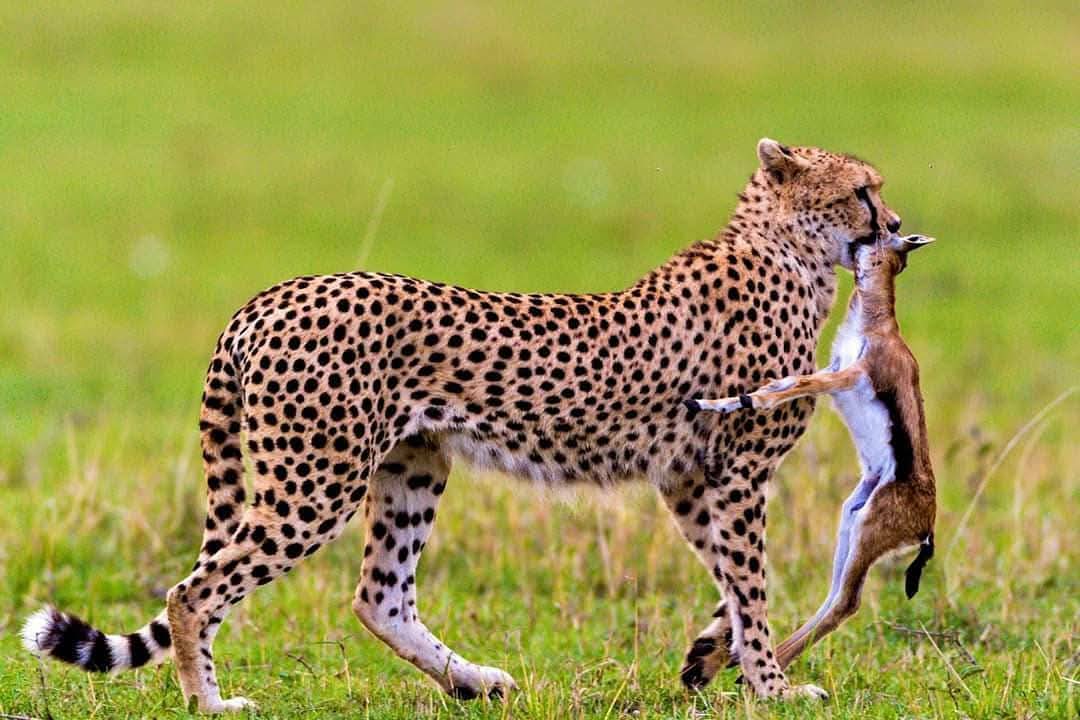
- Cheetahs hunting across open plains
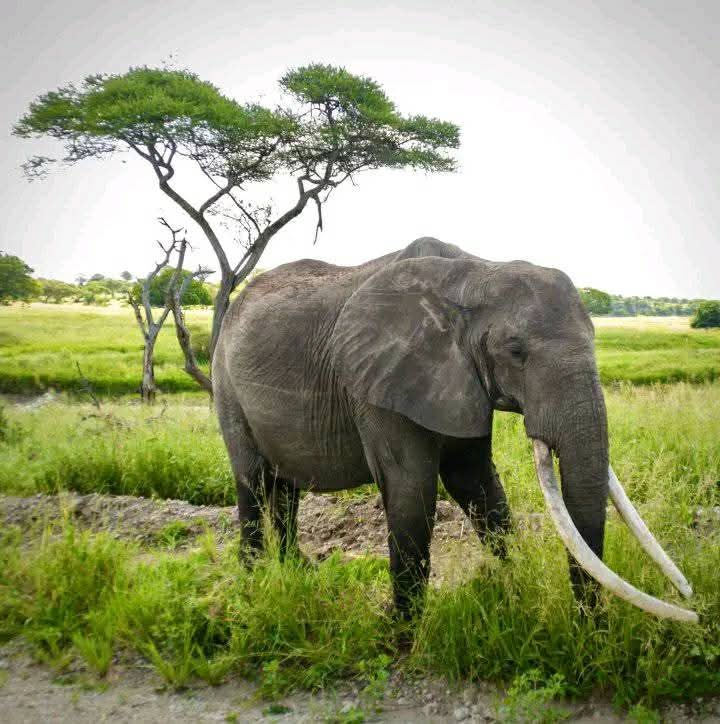
- Over 10,000 elephants—Tanzania's largest population
Stunning Baobab Landscapes
Ruaha is famous for its iconic baobab trees—some over 1,000 years old—creating dramatic silhouettes against African sunsets. These ancient giants, combined with rocky kopjes and the winding Ruaha River, create one of Africa's most photogenic safari destinations.
Pristine and Uncrowded
Unlike northern Tanzania's busy circuit (Serengeti, Ngorongoro, Tarangire), Ruaha offers exclusive wildlife viewing. You might spend entire days encountering spectacular wildlife without seeing another vehicle—the ultimate bush experience.
📅 Best Time to Visit Ruaha National Park
Ruaha experiences distinct dry and wet seasons, each offering unique safari advantages. Understanding seasonal patterns helps maximize wildlife viewing and overall experience.
Dry Season (June to October) - Peak Safari Season
June to October: The best time for wildlife viewing in Ruaha. Animals concentrate along the Great Ruaha River and remaining waterholes. Sparse vegetation makes spotting wildlife easier, and predators are highly active.
Peak Months - July to September: Optimal conditions with massive elephant congregations, lion prides hunting, and wild dog packs roaming. River becomes the lifeline, creating exceptional viewing opportunities.
Dry Season Advantages:
- Wildlife gathers at Great Ruaha River—predictable sightings
- Thin vegetation enhances visibility
- Pleasant temperatures (20-28°C)
- Excellent predator activity and hunting scenes
- Lower malaria risk
- Best photography opportunities
Wet Season (November to May)
Short Rains (November-December): Brief showers transform the landscape. Newborn animals attract predators. Migratory birds arrive, creating spectacular birding. Many lodges remain open with lower rates.
Long Rains (March-May): Heavy rains can make some tracks challenging, and several lodges close. However, this is the greenest, most dramatic time with lush scenery, fewer visitors, and incredible discounts.
- Lush green landscapes and blooming wildflowers
- Exceptional bird watching—571 species including migrants
- Baby animals everywhere—impala calving season
- Dramatically reduced lodge rates (up to 40% off)
- Almost no other tourists—private bush experience
- Afternoon thunderstorms create dramatic skies
🚙 Types of Game Drives
Morning Game Drives
Time: 6:00 AM - 10:00 AM
Early morning is prime time for predators. Lions and leopards are often active after night hunts, and you'll catch animals at their most active before the heat of the day. The soft morning light creates perfect photography conditions.
- Best for seeing predators and active wildlife
- Cooler temperatures for comfortable viewing
- Excellent photography with golden morning light
- Combine with breakfast in the bush
Afternoon/Evening Game Drives
Time: 3:00 PM - 7:00 PM
As temperatures cool, animals emerge to feed and drink. Evening drives offer spectacular sunset backdrops and chances to see nocturnal species beginning their activities. The changing light creates dramatic viewing moments.
Full Day Game Drives
For serious wildlife enthusiasts, full-day drives venture deeper into parks with packed lunches. This extended time increases chances of rare sightings and allows exploration of remote areas. Full-day drives are particularly rewarding in large parks like Murchison Falls and Kidepo Valley.
Night Game Drives
Available in select parks (Lake Mburo, Murchison Falls with special permission), night drives reveal nocturnal wildlife including leopards, lions hunting, bushbabies, civets, and hyenas. Spotlights illuminate the darkness for a completely different safari experience.
🐘 Wildlife You Can See in Ruaha National Park
The Big Five (Four Present)

Ruaha hosts four of the Big Five, with particularly impressive populations:
- Lions: 10% of Africa's total lion population lives in Ruaha
- Leopards: Exceptional densities, frequently spotted
- Elephants: Over 12,000—Tanzania's largest population
- Buffaloes: Massive herds roaming the plains
Note: Rhinos were poached to local extinction but may be reintroduced in future conservation efforts.
Rare and Unique Species
- African Wild Dogs: Critically endangered, Ruaha has significant populations
- Greater Kudu: Magnificent spiral horns, rare in East Africa
- Lesser Kudu: Smaller cousin, equally beautiful
- Roan Antelope: Tanzania's second-largest antelope
- Sable Antelope: Striking curved horns and black coat
- Cheetahs: Hunting across open grasslands
- Striped Hyenas: Rare nocturnal predators
Other Common Wildlife
- Giraffes: Masai giraffes browsing acacia trees
- Zebras: Grant's zebras in large herds
- Hippos: Wallowing in Ruaha River pools
- Crocodiles: Nile crocodiles sunbathing on riverbanks
- Antelopes: Impala, waterbuck, bushbuck, eland, Grant's gazelle
- Primates: Baboons, vervet monkeys
- Small Predators: Jackals, bat-eared foxes, honey badgers
🎒 What to Pack for Game Drives
Proper preparation ensures comfort and maximizes your safari experience. Here's what to bring:
Essential Clothing
- Neutral colors: Khaki, brown, olive—avoid bright colors
- Layered clothing: Mornings are cool, afternoons hot
- Long sleeves and pants: Protection from sun and insects
- Warm jacket: Essential for early morning drives
- Sun hat with wide brim: Critical for sun protection
- Sunglasses: Polarized lenses reduce glare
Safari Equipment
- Binoculars: Essential for distant wildlife viewing
- Camera with telephoto lens: 200-400mm recommended
- Extra batteries and memory cards: Limited charging in parks
- Dust bags: Protect electronics from dust
- Field guidebook: For identifying species
- Notebook: Record sightings and memories
Health and Comfort
- Sunscreen: SPF 50+ for African sun exposure
- Insect repellent: DEET-based for mosquitoes and tsetse flies
- Water bottles: Stay hydrated during drives
- Snacks: Energy bars for long drives
- Personal medications: Include antimalarials
- Wet wipes and hand sanitizer: For hygiene
👀 What to Expect on a Game Drive
The Vehicle
Game drives use 4x4 safari vehicles with pop-up roofs for 360-degree viewing and photography. Most vehicles accommodate 4-7 guests with window seats guaranteed for everyone. Professional drivers double as guides, skilled at spotting camouflaged wildlife.
The Experience
Drives typically last 3-4 hours covering 30-50 kilometers of park tracks. Your guide navigates based on recent sightings, animal behavior patterns, and radio communication with other guides. Expect periods of patient searching punctuated by exciting discoveries. Wildlife encounters are never guaranteed—that's the authentic safari experience.
Safari Etiquette
- Stay seated when near animals—never stand or lean out
- Keep voices low to avoid disturbing wildlife
- No flash photography—it stresses animals
- Stay inside the vehicle always (unless in designated areas)
- Don't litter—take all waste with you
- Respect minimum distances from wildlife
- Turn off mobile phone ringers
Typical Sightings
Most game drives yield 15-30 different species depending on season and luck. You'll almost certainly see elephants, buffaloes, various antelopes, warthogs, and abundant birds. Predator sightings (lions, leopards) occur on about 30-50% of drives. The thrill is in the search and the moments of spectacular discovery.
💡 Expert Tips for Ruaha Safari
Visit during dry season for best wildlife: June to October offers optimal viewing as animals concentrate along the Great Ruaha River. Allocate sufficient time: Ruaha's vast size deserves at least 4-5 days to properly explore different areas and maximize wildlife encounters. Combine with Selous or Zanzibar: Ruaha pairs perfectly with Selous Game Reserve for comprehensive southern Tanzania safari, or add Zanzibar beaches for the ultimate bush-and-beach combination. Bring quality optics: Ruaha's open landscapes mean binoculars and telephoto lenses (300mm+) are essential for distant sightings. Choose your lodge carefully: Different lodges access different areas of the park—research locations based on your wildlife priorities. Early bookings essential: Despite being less crowded, the best camps fill up 6-9 months ahead for peak season. Embrace the remoteness: Limited connectivity means you can truly disconnect. Use this opportunity to immerse fully in the wilderness. Photography timing: Dramatic baobab silhouettes photograph best during golden hour—position yourself accordingly for stunning shots.
Ready for Your Ruaha Safari Adventure?
Experience Tanzania's largest national park with expert guides, exceptional wildlife encounters, and luxury accommodations. Let us create your perfect Ruaha safari itinerary.
REQUEST QUOTE