
Kenya is a world-class birding destination with over 1,100 recorded bird species, including 11 endemic species found nowhere else on Earth. From the snow-capped peaks of Mount Kenya to the coastal mangroves, Kenya's diverse ecosystems support an incredible variety of birds. Whether you're a seasoned birder or a beginner, Kenya offers exceptional opportunities to observe everything from tiny sunbirds to majestic eagles, with expert guides to help you spot and identify the incredible avian diversity.
🐦 Kenya's Premier Bird Watching Destinations
Lake Nakuru National Park
Famous for its massive flocks of flamingos (up to 2 million), Lake Nakuru is Kenya's most iconic birding destination. This alkaline lake attracts an incredible diversity of waterbirds and offers some of Africa's best bird photography opportunities.
Why Lake Nakuru is special:
- Up to 2 million flamingos creating pink carpets
- 450+ bird species including 5 endemic species
- Excellent waterbird viewing from vehicle and boat
- Rothschild's giraffe and other wildlife
- Easy access from Nairobi (3 hours drive)
- Year-round birding with seasonal variations
Masai Mara National Reserve
While famous for the Great Migration, the Masai Mara is also an exceptional birding destination with over 500 species. The diverse habitats support everything from grassland specialists to forest birds and raptors.
Mara birding highlights:
- 500+ species including 53 raptor species
- Secretary birds, martial eagles, and vultures
- Endemic species like Jackson's widowbird
- Excellent for bird photography
- Combines perfectly with wildlife safaris
- Best during wet season (Nov-May)
Mount Kenya National Park
The high-altitude forests and moorlands of Mount Kenya support unique bird communities including several endemic species. The mountain's diverse elevation zones create distinct birding habitats from montane forest to alpine zones.
- Endemic species: Jackson's francolin, Sharpe's longclaw, Aberdare cisticola
- High-altitude specialists: Alpine chats, mountain wheatears
- Forest birds: Hartlaub's turaco, mountain greenbul
- Best time: Dry seasons (Jan-Mar, Jul-Oct)
- Access: Requires hiking and acclimatization
Amboseli National Park
Famous for its elephants with Mount Kilimanjaro backdrop, Amboseli offers excellent birding in diverse habitats including swamps, grasslands, and acacia woodlands. The park's wetlands are particularly rich in waterbirds.
Tsavo East & West National Parks
Kenya's largest national parks offer extensive birding opportunities across varied habitats. Tsavo is particularly good for raptors, hornbills, and dry-country specialists with over 500 species recorded.
Coastal Birding (Watamu, Malindi)
Kenya's coast offers unique birding opportunities with mangrove specialists, seabirds, and migratory species. The Arabuko Sokoke Forest is particularly important for endemic and near-endemic species.
- Arabuko Sokoke Forest: Sokoke scops owl, Clarke's weaver, Sokoke pipit
- Mida Creek: Mangrove kingfisher, crab plover, terek sandpiper
- Coastal migrants: European and African migrants
- Best time: Oct-Mar for migrants, year-round for residents
🗓️ Best Time for Bird Watching in Kenya
Kenya offers excellent birding year-round, but timing affects species diversity, migratory patterns, and viewing conditions. Understanding seasonal patterns helps maximize your birding experience.
Peak Birding Season (Best Time)
November to April: The long rains and short rains bring the highest bird diversity with resident species breeding and European migrants present. This is the best time for overall species counts.
July to October: Dry season offers excellent visibility and easier access to all areas. Resident species are active and easier to spot in the dry vegetation.
- Highest species diversity (1,100+ species possible)
- European migrants present (Oct-Apr)
- Breeding season for many resident species
- Excellent photography conditions
Seasonal Highlights:
- Nov-Apr: European migrants, breeding season
- Jul-Oct: Dry season, resident species active
- Mar-May: Long rains, lush vegetation
- Oct-Nov: Short rains, migration peak
- Year-round: Endemic species always present
Seasonal Considerations
Wet Season (Mar-May & Oct-Nov): Lush vegetation makes some birds harder to spot, but breeding activity is high and migrant diversity peaks.
- Advantages: High species diversity, breeding activity, migrant presence
- Challenges: Dense vegetation, muddy roads, some areas inaccessible
- Best for: Experienced birders seeking maximum species counts
Destination-Specific Timing
- Lake Nakuru: Year-round excellent, flamingos most numerous during dry season
- Masai Mara: Best Nov-May (wet season) for grassland birds
- Mount Kenya: Dry seasons (Jan-Mar, Jul-Oct) for access
- Coastal areas: Oct-Mar for migrants, year-round for residents
- Tsavo: Year-round good, dry season for easier access
🦅 Key Bird Species to Look For
Kenya is home to 11 endemic species found nowhere else on Earth, plus numerous near-endemics and spectacular migratory birds. Here are the most sought-after species for birders visiting Kenya.
Endemic Species (Kenya Only)
Highland Endemics:
- Jackson's francolin: Mount Kenya and Aberdare Range
- Sharpe's longclaw: Highland grasslands
- Aberdare cisticola: Aberdare Range
- Williams's lark: Northern Kenya
Coastal Endemics:
- Clarke's weaver: Arabuko Sokoke Forest
- Sokoke pipit: Arabuko Sokoke Forest
- Sokoke scops owl: Arabuko Sokoke Forest
Other Endemics:
- Taita thrush: Taita Hills
- Taita apalis: Taita Hills
- Hinde's babbler: Central Kenya
- Jackson's widowbird: Masai Mara
Near-Endemics:
- Hartlaub's turaco: Highland forests
- Yellow-collared lovebird: Northern Kenya
- Red-capped lark: Grasslands
Iconic Species
- Flamingos: Up to 2 million at Lake Nakuru
- Secretary bird: Masai Mara and grasslands
- Martial eagle: Africa's largest eagle
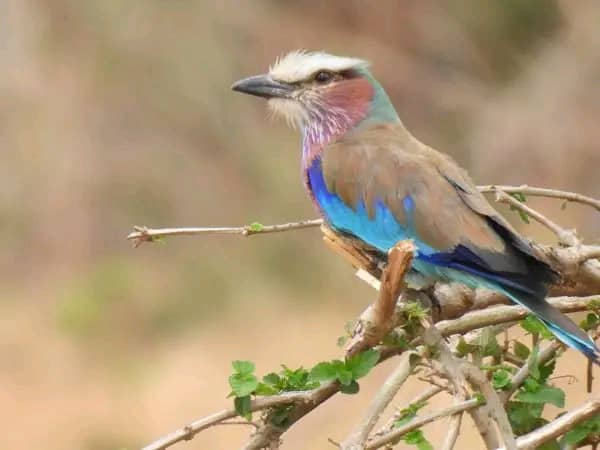
- Lilac-breasted roller: Kenya's national bird
- Superb starling: Common but spectacular
- African fish eagle: Lakes and rivers
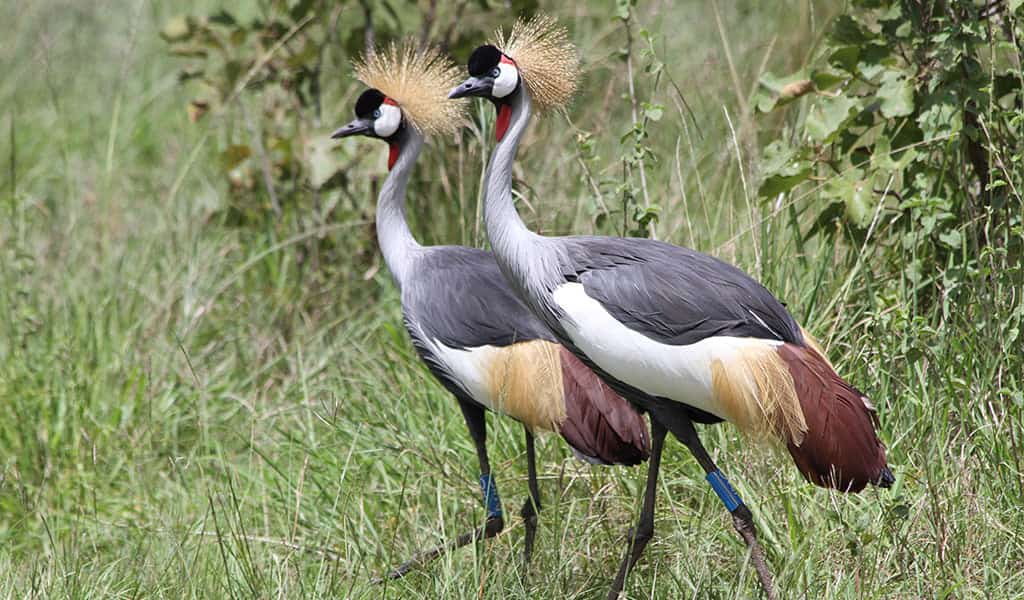
- Grey crowned crane: Wetlands and grasslands
Raptors & Birds of Prey
- 53 raptor species including martial eagle, bateleur, African fish eagle
- Vultures: White-backed, Rüppell's, lappet-faced
- Hawks: African harrier-hawk, chanting goshawk
- Falcons: Peregrine, lanner, pygmy falcon
🎒 Bird Watching Packing Essentials
Proper preparation ensures a successful and enjoyable birding experience. Here's your comprehensive packing list for Kenya's birding destinations:
Essential Birding Equipment
- Binoculars: 8x42 or 10x42 magnification (essential)
- Spotting scope: For distant waterbirds and raptors
- Field guide: Birds of East Africa or Kenya-specific
- Camera: DSLR with telephoto lens (300mm+ recommended)
- Tripod: For camera and spotting scope stability
- Notebook: For recording sightings and notes
Clothing & Protection
- Neutral colors: Khaki, green, brown (avoid bright colors)
- Long sleeves: Protection from sun and insects
- Hat with brim: Sun protection and shade
- Comfortable shoes: Walking shoes or light boots
- Rain jacket: Lightweight, packable
- Sunscreen: SPF 50+ for long days outdoors
Photography Equipment
- Camera body: DSLR or mirrorless with good autofocus
- Telephoto lens: 300mm+ for bird photography
- Teleconverter: 1.4x or 2x for extra reach
- Memory cards: High-speed, large capacity
- Extra batteries: Long days in the field
- Bean bag: For vehicle-based photography
- Lens cleaning kit: Dust and moisture protection
Additional Items
- Water bottle: Stay hydrated during long birding sessions
- Snacks: Energy bars, nuts for sustained energy
- Insect repellent: DEET-based for mosquito protection
- First aid kit: Basic medical supplies
- Bird checklist: Kenya bird species checklist
- Pen/pencil: For recording sightings
- Small backpack: For carrying equipment
👀 What to Expect During Bird Watching
Daily Birding Routine
Bird watching in Kenya typically follows an early morning start to catch the most active birding hours. Your day begins with a pre-dawn departure (5:30-6:00 AM) to reach prime birding locations as birds become active with the sunrise.
Typical Birding Day
- Early morning (6:00-9:00 AM): Peak bird activity, best for songbirds and forest species
- Mid-morning (9:00-11:00 AM): Raptor activity, waterbird viewing at lakes
- Midday (11:00 AM-2:00 PM): Break for lunch, some areas less active
- Afternoon (2:00-5:00 PM): Second peak of activity, waterbird viewing
- Evening (5:00-7:00 PM): Raptor roosting, sunset photography
Birding Techniques
Expert guides use various techniques to help you spot and identify birds:
- Call playback: Using recorded bird calls to attract species
- Pishing: Making sounds to attract small birds
- Spotting scopes: For distant waterbirds and raptors
- Vehicle-based birding: Covering large areas efficiently
- Walking trails: Forest and woodland birding
- Boat trips: For waterbird viewing at lakes
Species Identification
Your expert guide will help you identify birds by:
- Visual characteristics: Size, shape, color, markings
- Behavior patterns: Flight style, feeding habits, habitat
- Vocalizations: Songs, calls, and territorial sounds
- Field marks: Distinctive features for identification
- Habitat preferences: Where different species are found
Photography Opportunities
Kenya offers exceptional bird photography with:
- Close encounters: Many species are approachable
- Varied habitats: Different backdrops and lighting
- Action shots: Birds in flight, feeding, displaying
- Portrait opportunities: Perched birds in good light
- Behavioral shots: Nesting, courtship, territorial displays
📅 Birding Tours & Packages
Kenya offers various birding tour options to suit different interests, experience levels, and time constraints. From day trips to comprehensive multi-week expeditions, there's a birding adventure for everyone.
Tour Types
Day Trips:
- Lake Nakuru: Full-day flamingo and waterbird experience
- Nairobi National Park: City birding with 400+ species
- Ngong Hills: Highland birding near Nairobi
- Duration: 6-8 hours
- Best for: Beginners, time-constrained visitors
Multi-Day Tours:
- 3-5 days: Lake Nakuru + Masai Mara combination
- 7-10 days: Comprehensive Kenya birding circuit
- 14+ days: Complete Kenya birding expedition
- Specialty tours: Endemic species, photography-focused
- Best for: Serious birders, photographers
Specialty Birding Tours
- Endemic species tours: Focus on Kenya's 11 endemic species
- Photography tours: Optimized for bird photography
- Raptor tours: Specialized for birds of prey
- Migration tours: Timing for European migrants
- Highland birding: Mount Kenya and Aberdare Range
- Coastal birding: Arabuko Sokoke and coastal areas
What's Included
- Expert birding guide: Professional ornithologist
- Transportation: 4x4 vehicles with roof hatches
- Equipment: Binoculars, spotting scopes, field guides
- Accommodation: Bird-friendly lodges and camps
- Meals: Full board or as specified
- Park fees: National park entrance fees
- Checklist: Kenya bird species checklist
💡 Recommendation: For first-time visitors, start with a 3-5 day tour combining Lake Nakuru and Masai Mara. This gives you a taste of Kenya's birding diversity while keeping costs manageable. Serious birders should consider 10+ day tours to access endemic species and remote locations.
💡 Expert Tips for Bird Watching in Kenya
Start early: Birds are most active during the first 3-4 hours after sunrise, so begin your birding day as early as possible. Invest in quality binoculars: Good binoculars (8x42 or 10x42) are essential for bird identification and will significantly enhance your experience. Learn bird calls: Many birds are heard before they're seen, so familiarize yourself with common species calls before your trip. Dress appropriately: Wear neutral colors and avoid bright clothing that might scare birds. Be patient and quiet: Birds are sensitive to movement and noise, so move slowly and speak quietly. Use a field guide: Bring a good field guide to help with identification and learn about bird behavior. Keep a checklist: Record your sightings to track your progress and create lasting memories. Respect the birds: Never disturb nesting birds or use playback calls excessively.
Ready to Discover Kenya's Amazing Birds?
Let our expert birding guides take you on an unforgettable journey through Kenya's diverse habitats to spot endemic species, spectacular raptors, and incredible bird diversity.
PLAN MY BIRDING TOUR