
Gorilla trekking is a privilege that comes with responsibility. The rules and etiquette governing mountain gorilla encounters are carefully designed to protect these critically endangered primates, ensure visitor safety, and support conservation efforts. Understanding and following these guidelines is not optional—it's essential for the survival of the species and the continuation of this extraordinary experience. This comprehensive guide covers all the rules, protocols, and best practices you need to know before your trek.
🛡️ Why Gorilla Trekking Rules Matter
Protecting Mountain Gorillas from Disease
Mountain gorillas share approximately 98% of their DNA with humans, making them highly susceptible to human diseases. A simple cold or flu can be fatal to gorillas, who have no natural immunity to human illnesses. Respiratory infections are now the leading cause of death among habituated gorilla groups.
Critical Health Protections:
- Maintain minimum 7-meter (23 feet) distance at all times
- Never trek if you're feeling unwell
- Cover your mouth when coughing or sneezing
- Wear a face mask if provided or required
- Hand sanitization before entering gorilla habitat
- No spitting or littering in the forest

Conservation & Sustainability
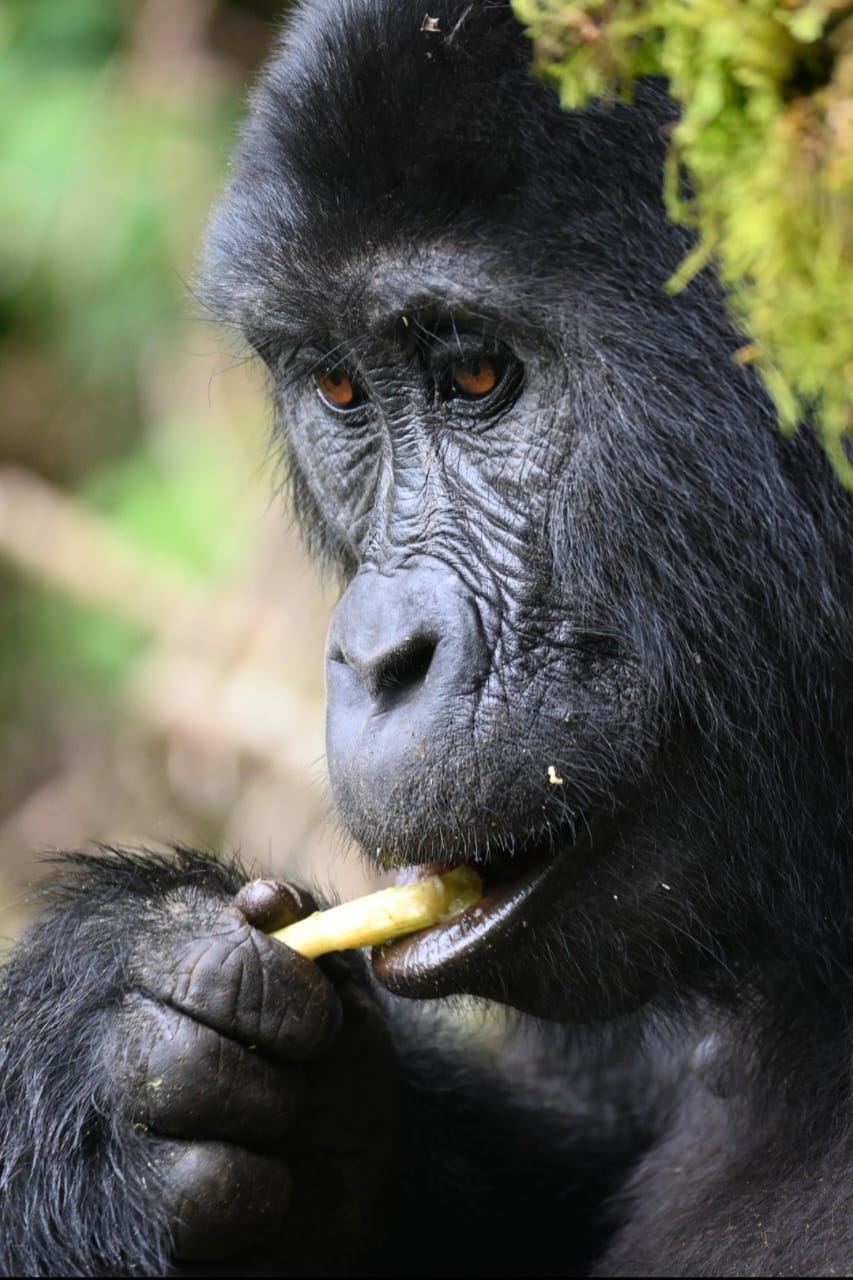
There are fewer than 1,100 mountain gorillas left in the wild. Every encounter must minimize stress and disruption to their natural behavior. Strict rules ensure gorilla families continue their normal routines, reproduce successfully, and accept human presence without fear or aggression.
Conservation Principles:
- Limited group size (8 people maximum per family)
- One-hour visit limit to minimize disturbance
- No flash photography to avoid startling gorillas
- Quiet voices and calm movements only
- No eating, drinking, or smoking near gorillas
- Follow ranger instructions without exception
Your Safety & Well-being
While mountain gorillas are generally gentle, they are still wild animals with immense strength. Silverbacks can weigh up to 220kg (485 lbs) and possess extraordinary power. Rules protect you from potential charges, bites, or aggressive displays triggered by perceived threats.
- Armed rangers accompany every trek for protection
- Defensive behaviors taught at pre-trek briefing (crouch, avoid eye contact)
- Emergency protocols in place for medical situations
- Physical barriers maintained through distance rules
📜 Essential Gorilla Trekking Rules
Before the Trek: Health & Eligibility
✅ Mandatory Health Requirements:
- Minimum age: 15 years old (strictly enforced, no exceptions)
- No contagious diseases: Cold, flu, COVID-19, diarrhea, or any illness
- Temperature checks: May be conducted at park headquarters
- Health declaration: Must confirm you're fit and healthy
- Vaccination recommended: Yellow fever, hepatitis, typhoid
- If unwell: You MUST forfeit your trek (no refunds given)
⚠️ Critical: If you're feeling even slightly unwell, do NOT trek. Your cold could kill an entire gorilla family. Rangers will turn you away if you show symptoms.
✅ Pre-Trek Preparations:
- Arrive at park headquarters by 7:00 AM sharp
- Bring original passport and permit
- Use toilet facilities before departing (no toilets in forest)
- Leave all unnecessary items at lodge
- Charge camera batteries fully
- Wear long sleeves and pants (protection from vegetation)
- Bring rain gear regardless of weather forecast
- Hire a porter (helps local economy, carries your bag)
During the Trek: Behavior Rules

❌ NEVER DO THESE:
- Touch the gorillas under any circumstances
- Make sudden movements or loud noises
- Point at gorillas or make direct prolonged eye contact
- Eat, drink, or smoke within 200 meters of gorillas
- Use flash photography or video lights
- Surround the gorillas - stay in a tight group
- Chase after gorillas if they move away
- Spit or urinate in the gorilla habitat
Distance & Time Limits
The 7-Meter Rule:
- Maintain minimum 7 meters (23 feet) from gorillas at all times
- If a gorilla approaches YOU, slowly retreat
- If a gorilla touches you, remain still and calm
- Rangers will enforce this distance strictly
The 1-Hour Limit:
- Maximum 60 minutes with gorillas once found
- Time starts when you first see the family
- Rangers will announce when time is up
- No extensions or exceptions
- Habituation experience allows 4 hours (special permit)
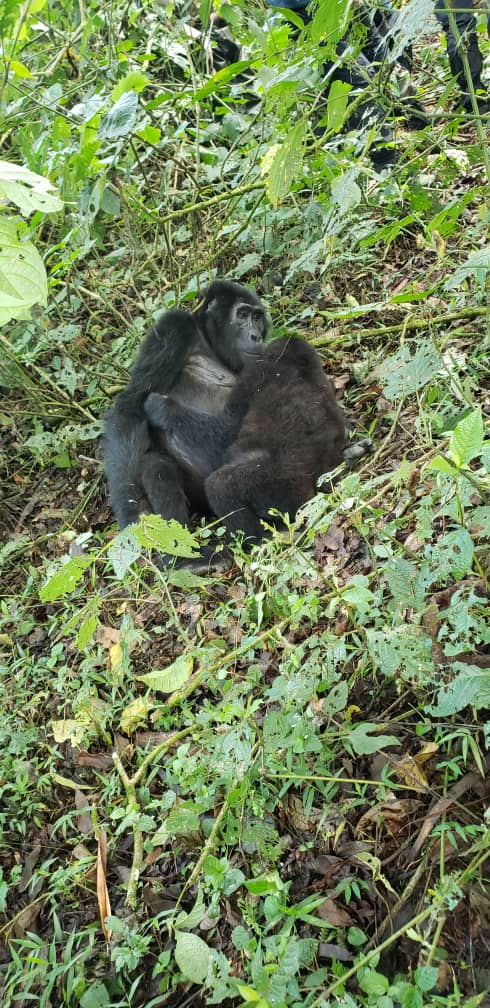
📷 Photography & Video Rules
Camera & Equipment Guidelines
✅ ALLOWED:
- Cameras without flash (DSLR, mirrorless, smartphones)
- Silent shutter mode highly recommended
- Natural light photography only
- Video recording without lights or flash
- Multiple camera bodies and lenses
- Tripods/monopods (if not disruptive)
💡 Pro Tip: Set ISO 800-3200 for low-light forest conditions. Use fast lenses (f/2.8 or wider) for best results without flash.
❌ PROHIBITED:
- Flash photography of any kind (can startle gorillas)
- Video lights or camera-mounted lights
- Drones (strictly forbidden in all parks)
- Loud camera noises (turn off beeps/sounds)
- Reflectors or artificial lighting equipment
- Selfie sticks (too intrusive, difficult to maintain distance)
Photography Best Practices

Respectful Photography:
- Prioritize gorilla welfare over the perfect shot
- Never approach closer for a better photo
- Shoot from your assigned position
- Be mindful of other visitors' viewing angles
- Put camera down sometimes—experience the moment
- Follow ranger guidance on when NOT to shoot
- Respect gorilla behavior (if they're mating, don't intrude)
Camera Settings Advice: Bring extra batteries (cold/humid conditions drain them fast), memory cards, and weatherproof bags. Rain can occur anytime—protect your gear!
⚠️ Safety Protocols & Emergency Procedures
If a Gorilla Charges or Displays Aggression
Defensive Actions (Critical - Learn These!):
- DO NOT RUN. Ever. Running triggers chase instinct
- Crouch down low to appear non-threatening
- Look down - avoid direct eye contact
- Remain calm and still - no sudden movements
- Wait for the ranger's signal before moving
- If knocked down, curl into a ball and protect your head
- Never scream or make aggressive sounds
⚠️ Important: Silverback charges are usually "bluff charges" to test dominance. Rangers are trained to read gorilla body language and will protect you.

Understanding Gorilla Behavior
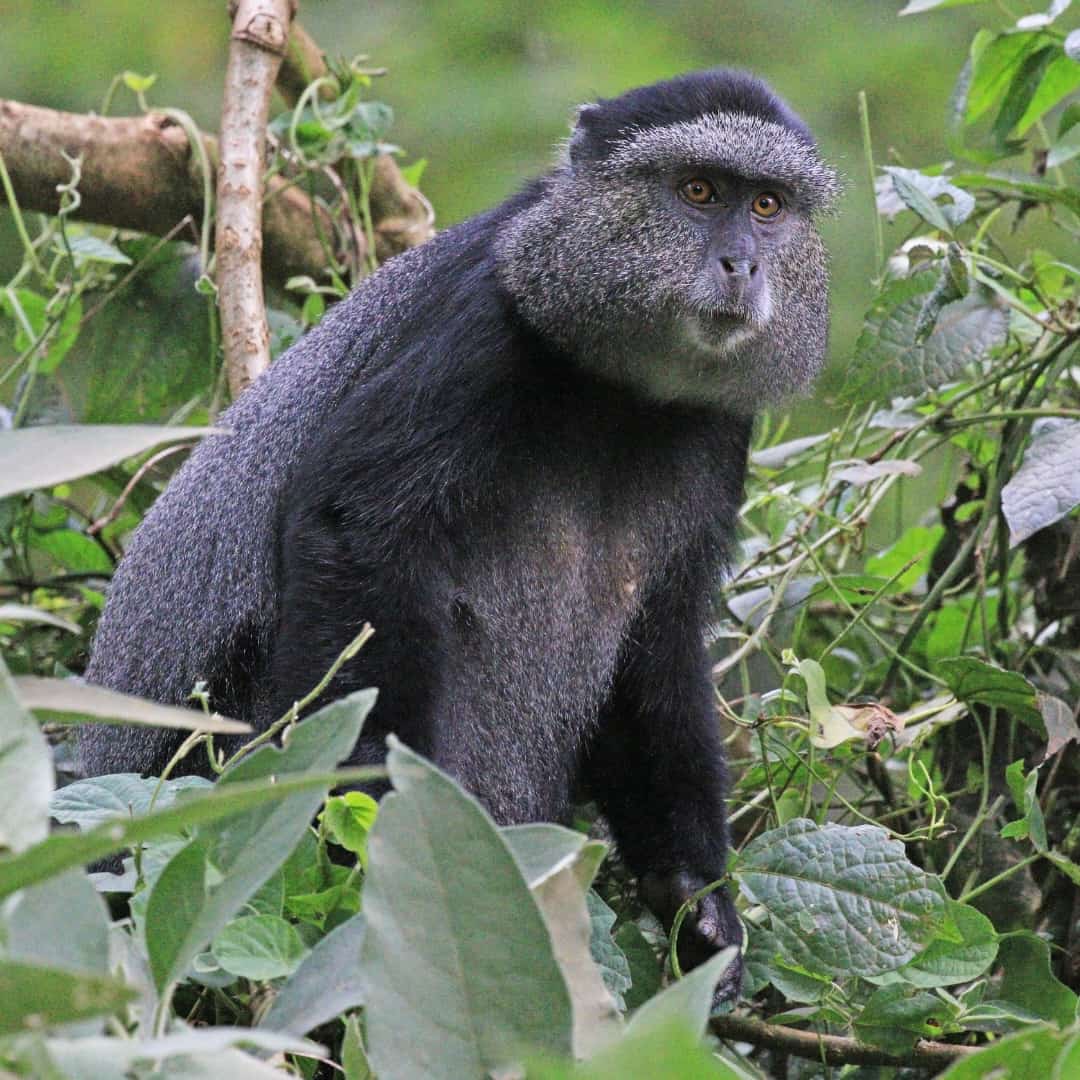
Warning Signs of Aggression:
- Chest beating: Display of dominance
- Roaring or hooting: Vocal warnings
- Standing upright: Showing size and strength
- Throwing vegetation: Warning behavior
- Ground thumping: Intimidation display
Calm Gorilla Behavior:
- Feeding peacefully on vegetation
- Grooming each other
- Infants playing together
- Resting or lounging
- Ignoring human presence
Medical Emergencies During Trek
- Inform rangers immediately of any medical issues
- Porter stretchers available for evacuation if needed
- Rangers carry first aid kits and communication devices
- Helicopter evacuation possible in extreme cases (travel insurance essential)
- Nearest hospitals: Several hours away - minor issues must be managed on-site
- Bring personal medications: Inhalers, EpiPens, etc. if you have conditions
💡 Prevention Tip: Bring adequate water (2+ liters), energy snacks, and any personal medications. Inform rangers before the trek of any health conditions so they can plan accordingly.
🌿 Environmental Responsibility & Leave No Trace
Protecting the Forest Habitat
Leave No Trace Principles:
- Pack out ALL trash - even biodegradable items
- No littering - bring a dedicated trash bag
- No picking flowers or plants - observe only
- Stay on designated trails - don't trample vegetation
- No smoking anywhere in the park
- Dispose of human waste properly (rangers will guide you)
Respecting Wildlife Beyond Gorillas:
- Don't disturb birds, insects, or other animals
- Watch for forest elephants and buffalo (dangerous - stay alert)
- No feeding any wildlife
- Maintain quiet to avoid disrupting ecosystem
- Report any injured animals to rangers
- Appreciate the entire forest, not just gorillas
Quick Reference: Complete Rules Checklist

✅ Before Trek:
- ✓ Confirm you're healthy (no illness)
- ✓ Age 15+ with ID
- ✓ Arrive 7:00 AM at headquarters
- ✓ Bring permit & passport
- ✓ Wear long pants & sleeves
- ✓ Pack rain gear & water
- ✓ Charge cameras, turn off flash
- ✓ Hire a porter (supports community)
✅ During Trek:
- ✓ Stay 7 meters from gorillas
- ✓ No flash photography
- ✓ No touching gorillas
- ✓ Whisper voices only
- ✓ No eating/drinking near gorillas
- ✓ Maximum 1-hour visit
- ✓ Follow ranger instructions always
- ✓ If charged: crouch, look down, stay calm
❓ Frequently Asked Questions About Gorilla Trekking Rules
Here are answers to the most common questions about gorilla trekking rules and etiquette:
Rules & Safety Questions
Q: What happens if I break the 7-meter distance rule?
A: Rangers will immediately intervene and may ask you to step back. Repeated violations could result in your trek being terminated without refund. The rule protects both you and the gorillas from disease transmission.
Q: Can I use my phone to take photos?
A: Yes! Smartphones are allowed as long as you disable the flash. Turn on silent mode to avoid beeps and notifications. Many visitors get excellent photos with modern smartphone cameras.
Q: Can children go gorilla trekking?
A: No. The minimum age is 15 years old, strictly enforced with no exceptions. This protects both the gorillas (from disease transmission) and ensures trekkers can handle the physical demands.
Q: What if I can't find the gorillas?
A: Sightings are virtually guaranteed (99%+ success rate). Trackers locate gorillas before your trek begins. In the extremely rare event of no sighting, some operators offer a discounted second trek, but permits are generally not refunded.
Q: Can I transfer my permit to someone else?
A: Yes, permits can be transferred to another person subject to UWA approval and availability. There may be an administrative fee. The permit must still be used on the original date.
Q: What if I get sick on the day of my trek?
A: If you have a contagious illness (cold, flu, COVID-19), you should not trek as this endangers the gorillas. Permits are non-refundable, so consider travel insurance. Some lodges and operators may help reschedule if you have a medical certificate.
Q: Do permits include accommodation?
A: No. Permits only cover park fees, guides, and trackers. Accommodation, transport, and meals are separate. Many tour operators offer packages bundling everything together.
Q: Can I choose which gorilla family to visit?
A: Not directly. Rangers assign groups based on fitness levels, group size, and gorilla family locations. However, you can express preferences, and rangers try to accommodate when possible.
Q: Is gorilla trekking safe?
A: Yes, very safe. Armed rangers accompany all treks for protection. Mountain gorillas are generally gentle and accustomed to humans. Attacks are extremely rare and usually occur only if gorillas feel threatened.
Q: What's the difference between regular trekking and gorilla habituation?
A: Regular trekking ($800) allows 1 hour with fully habituated gorillas. Habituation experience ($1,500) allows 4 hours with semi-habituated gorillas, giving deeper insight into research and conservation. Only available in Rushaga sector.
💡 Expert Trekking Etiquette Tips
The Most Important Rule: Respect trumps photography. I've seen visitors get so focused on capturing the perfect photo that they violate distance rules, make sudden movements, or ignore ranger instructions. Remember—you're a guest in the gorillas' home, not at a zoo. The 7-meter rule exists because your cold can kill them. The one-hour limit ensures we don't exhaust them with constant human presence. No flash photography protects their sensitive eyes. Every rule has a conservation reason behind it. The visitors who have the most profound experiences are those who put their cameras down occasionally, breathe, observe, and simply be present with these magnificent creatures. Follow the rules not because rangers are watching, but because you genuinely care about gorilla survival. These gentle giants share 98% of our DNA—we owe them our respect, protection, and best behavior. Trek responsibly, and you'll help ensure future generations can experience this same magic.
Ready for a Responsible Gorilla Trekking Adventure?
Now that you understand the rules and etiquette, let our expert team guide you through booking your gorilla trek. We'll ensure you're fully prepared for this life-changing encounter with proper briefings, gear recommendations, and ethical guidelines.
ENQUIRE NOW