
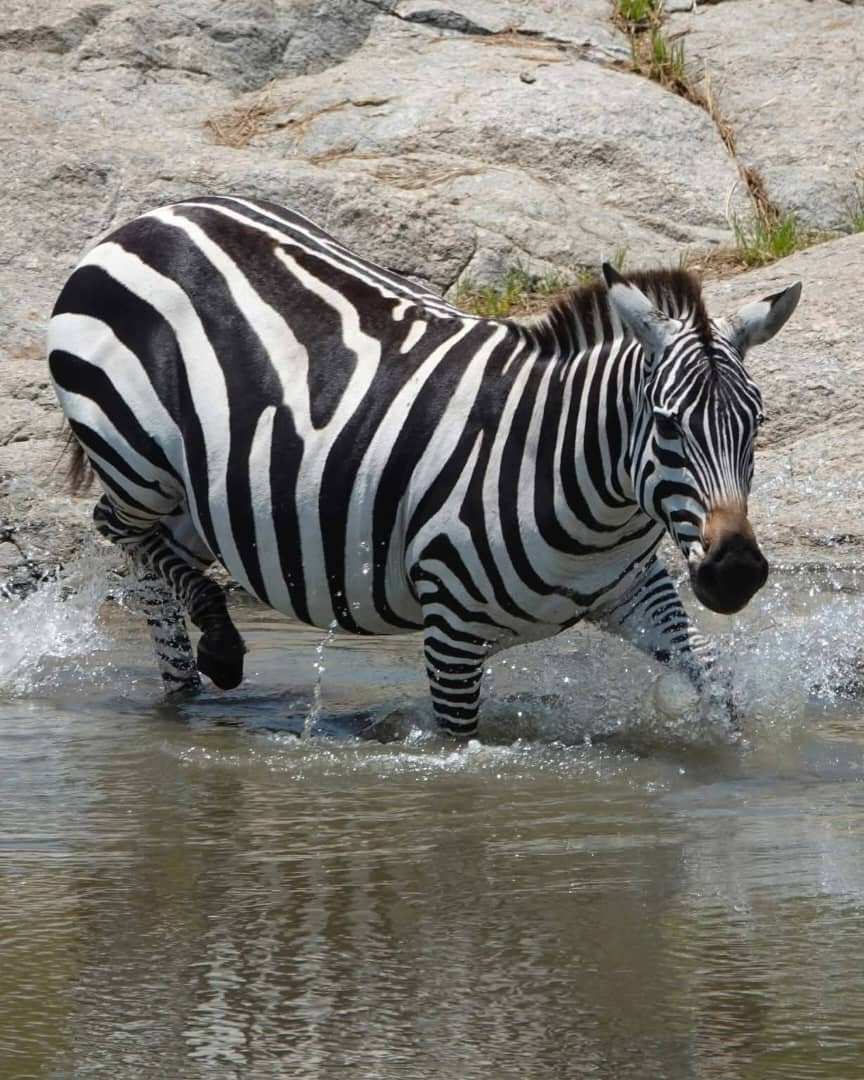
The Great Migration is Earth's most spectacular wildlife event—an ancient, instinctive journey of over 2 million wildebeest, 500,000 zebras, and hundreds of thousands of gazelles traveling 800km in a circular route through Tanzania's Serengeti and Kenya's Masai Mara. Witness dramatic river crossings where crocodiles ambush crossing herds, predators stalk vulnerable prey, and newborn calves take their first steps. This is raw, unscripted nature on the grandest scale imaginable.
🦓Understanding the Great Migration
The Annual Cycle
The Great Migration is a continuous clockwise circuit between Tanzania and Kenya, driven by rainfall patterns and fresh grazing. The herds never stop moving, following ancient pathways passed through generations.
The Numbers:
- 2+ million wildebeest (primary migrants)
- 500,000+ plains zebras
- 200,000+ Thomson's and Grant's gazelles
- 18,000+ elands (Africa's largest antelope)
- 4,000+ lions following the herds
- 1,000+ leopards in hunting territories
- 500,000+ calves born during calving season
Why It Happens
The migration follows a simple survival pattern: find fresh grass and water. Wildebeest can smell rain from 50km away and instinctively move toward it. As grasslands are depleted and dry season arrives, the herds migrate to greener pastures. This eternal chase for food and water creates the circular migration pattern.
The Predators
The migration attracts Africa's apex predators in spectacular concentrations:
- Lions: Prides coordinate hunts targeting sick, young, and separated animals
- Leopards: Solitary hunters ambush from trees and high grass
- Cheetahs: Sprint hunters chasing gazelles and young wildebeest
- Hyenas: Clan hunters taking down adult wildebeest at night
- Crocodiles: 4-meter Nile crocs wait at river crossings
- African Wild Dogs: Pack hunters with 80% success rate
📅Migration Calendar: When to Visit
January-March: Calving Season (Southern Serengeti, Tanzania)
Over 500,000 wildebeest calves are born in a synchronized 2-3 week birthing frenzy on the Ndutu Plains. This concentrated calving overwhelms predators with abundant prey, giving calves better survival odds.
Why Visit:
- Witness newborn calves standing within minutes
- See predators hunting vulnerable young
- Dramatic predator-prey interactions
- Vast herds concentrated in small area
- Best photography with dramatic skies
What Happens: Wildebeest give birth to half a million calves in 2-3 weeks—8,000 calves born daily at peak. Within 3 days, calves can run with the herd. Predators feast, but sheer numbers ensure most calves survive.
Location: Ndutu area, Southern Serengeti (Tanzania side)
April-May: Moving North (Central Serengeti)
Long rains transform plains, and herds begin northward migration through Central Serengeti. Massive columns stretch 40km long. The rut (mating season) begins—males battle for breeding rights in violent clashes.
- See territorial male wildebeest fighting
- Herds forming long moving columns
- Green season with beautiful landscapes
- Fewer tourists, lower prices
June-July: Crossing the Grumeti River (Western Corridor)
Herds approach the first major obstacle—the Grumeti River with giant Nile crocodiles. While smaller than Mara crossings, Grumeti offers excellent viewing with fewer vehicles. Mega-crocodiles (5+ meters) wait in murky pools.
August-October: Mara River Crossings (Masai Mara, Kenya)

PEAK MIGRATION IN KENYA—This is what you came for!
The herds face their greatest challenge: the Mara River. Steep banks, strong currents, and thousands of crocodiles make these crossings the migration's most dramatic moments.
Why It's Spectacular:
- Hundreds of thousands crossing simultaneously
- Crocodiles attacking in feeding frenzies
- Stampeding herds creating dust clouds
- Some herds cross multiple times
- Predators stalking both riverbanks
- Photography opportunities unmatched anywhere
Best Months: August-October (peak: September)
November-December: Return South (Northern Serengeti)
Short rains begin, and herds start returning to southern Serengeti. They recross the Mara River heading south. By December, northern herds have moved back into Tanzania, completing the annual cycle.
🦁Masai Mara: Kenya's Migration Hub
Why Masai Mara for the Migration?
While Tanzania's Serengeti hosts the migration longer, Kenya's Masai Mara offers the most dramatic spectacle—the Mara River crossings. The Mara is smaller, making wildlife easier to find, and Kenya's tourism infrastructure exceeds Tanzania's.
The Mara River Crossing Points
- Main Crossing (Mara Triangle): Most accessible, heavy traffic but reliable
- Paradise Crossing: Scenic, less crowded, requires more luck
- Talek River Crossings: Smaller river, frequent crossings
- Private conservancies: Exclusive access, fewer vehicles
Waiting for Crossings: What to Expect
River crossings are unpredictable. Thousands of wildebeest gather on riverbanks, hesitating for hours or even days before one brave individual leaps—then pandemonium as thousands follow. Some days you'll witness multiple crossings; others, none at all. The anticipation is part of the experience.
Typical Crossing:
- Herds congregate and mill nervously near river
- False starts as leaders approach then retreat
- Sudden plunge when one "jumps"—entire herd follows
- Chaos as thousands stampede down banks into water
- Crocodiles strike, current sweeps away weak animals
- Successful crossers scramble up opposite bank
- Process repeats—some herds cross 2-3 times daily
📸What to Expect on a Migration Safari
Typical Safari Day
Morning (6:00-10:00 AM): Early game drive to find herds and predators. This is prime time for lion hunts and river positioning. If herds are near rivers, you'll stake out crossing points.
Midday: Return to camp/lodge for lunch and rest during heat. Some camps offer all-day game drives with picnic lunches if herds are actively moving.
Afternoon (4:00-7:00 PM): Evening game drive for predator activity. Herds often approach rivers in late afternoon for evening crossings. Dramatic golden-hour photography.
Game Drive Vehicles
- Open-roof 4x4 safari vehicles (6-7 passengers)
- Window seats guaranteed for everyone
- Professional driver-guides with radio networks
- Guides communicate migration locations via radio
- Private vehicles available for premium safaris
Accommodation Options
Luxury Tented Camps:
- Canvas tents with king beds and en-suite bathrooms
- Prime locations near crossing points
- Gourmet meals and sundowner cocktails
- USD $400-800 per person per night
Mid-Range Lodges:
- Comfortable rooms with modern amenities
- Pool facilities and restaurant
- Good wildlife access
- USD $150-300 per person per night
Budget Camping: Basic tented camps with shared facilities, excellent guides, prime locations. USD $80-150 per person per night.
🎒What to Pack for Migration Safari
Essential Items
- Binoculars: 8x42 or 10x42 for distant viewing
- Camera with telephoto: 200-400mm lens minimum
- Extra batteries/memory cards: You'll take thousands of photos
- Dust protection: Bags for camera gear
- Neutral clothing: Khaki, olive, brown—no bright colors
- Layers: Mornings cold, afternoons hot
Important Gear
- Sun protection: Hat, sunscreen SPF 50+, sunglasses
- Insect repellent: DEET-based
- Field guide: East African wildlife book
- Headlamp: For evening camp use
- Daypack: Small bag for game drives
- Water bottle: Reusable for hydration
Photography Tips
- Bring dust-proof camera bags—Masai Mara is dusty
- Fast shutter speeds (1/1000+) for action shots
- Continuous shooting mode for river crossings
- Bring spare camera body if serious photographer
- Bean bags stabilize cameras in vehicles (often provided)
✈️Getting There & Safari Logistics
Access to Masai Mara
By Air: Fly from Nairobi's Wilson Airport to Mara airstrips (45 minutes). Multiple daily flights. Most seamless option for international visitors.
By Road: 5-6 hour drive from Nairobi (270km). Roads are rough—4x4 required. Budget option but long and uncomfortable.
Typical Migration Safari Itinerary
4-Day Masai Mara Migration Safari:
- Day 1: Fly Nairobi to Masai Mara, afternoon game drive
- Day 2: Full day migration viewing, river crossings
- Day 3: Full day in Mara, early morning and late afternoon drives
- Day 4: Morning game drive, fly back to Nairobi
7-Day Serengeti-Mara Combo: Experience both Tanzania and Kenya sides of migration for complete picture. Includes Serengeti National Park, Ngorongoro Crater, and Masai Mara.
Entry Requirements
- Kenya Visa: USD $50 online e-visa (most nationalities)
- Yellow Fever: Certificate required if coming from endemic areas
- Masai Mara Fees: USD $70-80 per person per day park fees
- Conservancy fees: Additional if staying in private conservancies
💡 Expert Migration Safari Tips
Book 6-12 months ahead: Peak migration season (July-October) sees camps fully booked. The best locations fill first. Early booking secures prime camps and better rates. Stay multiple nights: River crossings are unpredictable. Spending 3-4 nights in the Mara dramatically increases your odds of witnessing crossings. One-night stays rarely coincide with crossings. Consider private conservancies: Mara's northern conservancies offer off-road driving, walking safaris, night drives, and fewer vehicles at crossings. Worth the premium for serious wildlife enthusiasts. Manage expectations: Migration is wild, not choreographed. Some days deliver non-stop drama; others are quieter. The herds' movements are unpredictable—embrace the uncertainty. Hire experienced guides: Guides with 10+ years experience know migration patterns, river crossing indicators, and predator behavior. Their expertise makes the difference between good and extraordinary safaris. Bring patience: You may wait hours at rivers. Bring snacks, water, and patience. The wait makes the crossing even more spectacular when it happens.
Ready to Witness the Great Migration?
Let our migration safari specialists design your perfect wildlife adventure. We'll time your visit for peak migration activity, arrange premium camps near crossing points, and ensure expert guides maximize your chances of witnessing this natural wonder.
ENQUIRE NOW