
Walking safaris in Tanzania offer the most intimate and authentic way to experience African wilderness. Unlike vehicle-based safaris, walking allows you to truly immerse yourself in the bush—feeling the earth beneath your feet, smelling the vegetation, hearing every bird call, and tracking wildlife as our ancestors did. Led by professional armed guides with years of bush experience, walking safaris connect you with nature on a primal level. From the vast plains of Selous and Ruaha to the remote corners of Tanzania's southern circuit, discover wildlife from a completely new perspective where every encounter becomes a thrilling adventure.
🥾 Why Choose a Walking Safari?
Intimate Wildlife Encounters
Walking puts you at eye level with the bush. You'll notice insects, tracks, plants, and smaller creatures that go unnoticed from vehicles. Every sense becomes heightened—the smell of elephant dung signals recent passage, a broken twig indicates where buffalo moved through, bird alarm calls warn of nearby predators.
What makes walking special:
- Experience wildlife as our ancestors did—on foot
- Learn tracking skills from expert bushmen
- Discover the "small five" and intricate ecosystems
- Feel adrenaline when encountering big game on foot
- Appreciate how animals truly behave without vehicle noise

Learn Authentic Bushcraft
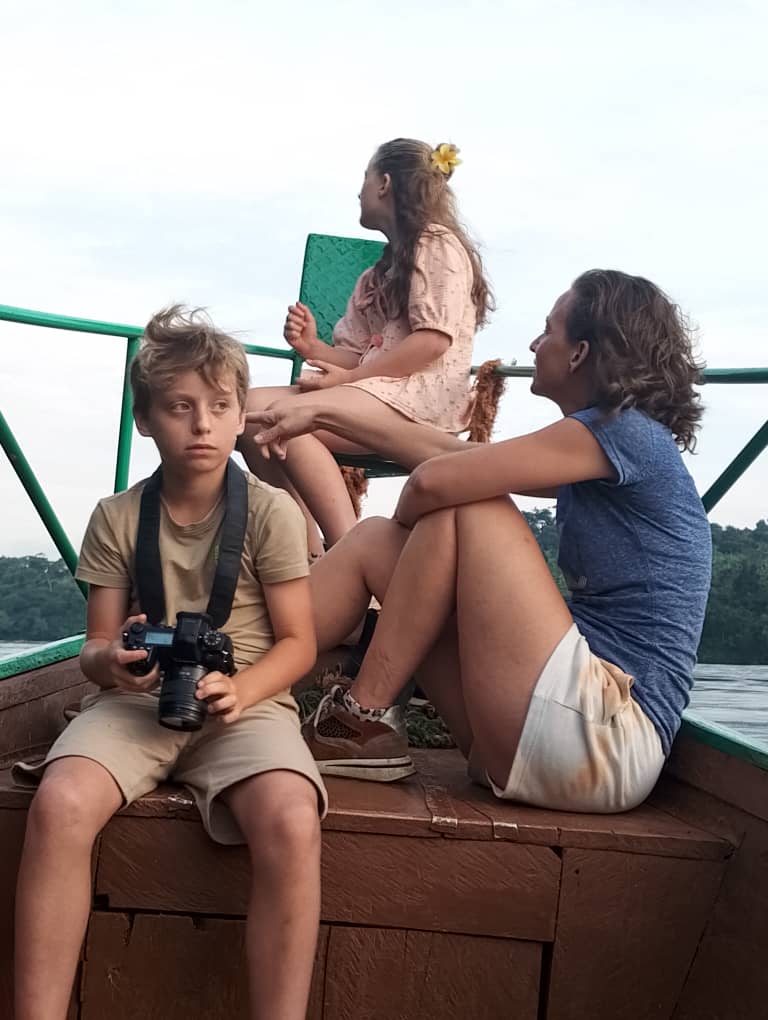
Your armed guide isn't just protection—they're a wealth of bush knowledge accumulated over decades. Learn to read animal tracks, identify plants and their traditional uses, understand bird behavior, and recognize danger signs in the wilderness.
Skills you'll learn:
- Tracking wildlife through spoor and signs
- Identifying medicinal and edible plants
- Reading landscape and animal behavior
- Understanding predator-prey dynamics
- Bush safety and wilderness survival basics
Physical and Mental Connection
Walking engages your body and mind in ways vehicle safaris cannot. The physical exertion, combined with heightened awareness of potential danger, creates an experience that's simultaneously exhilarating and meditative. You become part of the ecosystem rather than an observer protected by metal and glass.
Photographic Opportunities
Lower angles from ground level create unique photographic perspectives. Macro photography of insects, flowers, and tracks becomes possible. The slower pace allows time to compose shots carefully, and guides often know exactly where to position you for optimal lighting and backgrounds.
🌍 Best Destinations for Walking Safaris in Tanzania
Not all Tanzania parks permit walking safaris. Those that do offer exceptional experiences with highly trained guides and stunning wilderness settings.
Selous Game Reserve (Nyerere National Park)
Africa's largest game reserve, Selous pioneered walking safaris and remains one of the continent's premier destinations. Vast wilderness, minimal tourist presence, and exceptional guiding make this the ultimate walking safari destination.
Selous Walking Safari Highlights:
- Multi-day walking expeditions with fly camping
- Exceptional predator encounters—lions, wild dogs, leopards
- Huge elephant and buffalo populations
- Rufiji River ecosystem with hippos and crocodiles
- Most experienced walking guides in Tanzania

Ruaha National Park
Tanzania's largest national park offers exceptional walking safaris through baobab-studded landscapes. With 10% of Africa's lions, massive elephant herds, rare kudu and sable antelopes, and minimal crowds, Ruaha delivers authentic wilderness walking experiences.
- Ancient baobab forests create dramatic scenery
- Great Ruaha River attracts concentrated wildlife
- Excellent for tracking rare species
- Professional armed rangers with bush expertise
- Can combine with multi-day expeditions
Tarangire National Park
Famous for its elephant populations and iconic baobabs, Tarangire permits guided walking safaris in specific areas. The park's diverse habitats—from riverine forests to acacia woodlands—make walks educational and visually stunning.
Lake Manyara National Park
While known for tree-climbing lions, Lake Manyara's walking safaris focus on the park's groundwater forest and escarpment areas. Shorter half-day walks are perfect for those new to walking safaris, offering buffalo, giraffe, and baboon encounters in safer environments.
🚙 Types of Game Drives
Morning Game Drives
Time: 6:00 AM - 10:00 AM
Early morning is prime time for predators. Lions and leopards are often active after night hunts, and you'll catch animals at their most active before the heat of the day. The soft morning light creates perfect photography conditions.
- Best for seeing predators and active wildlife
- Cooler temperatures for comfortable viewing
- Excellent photography with golden morning light
- Combine with breakfast in the bush
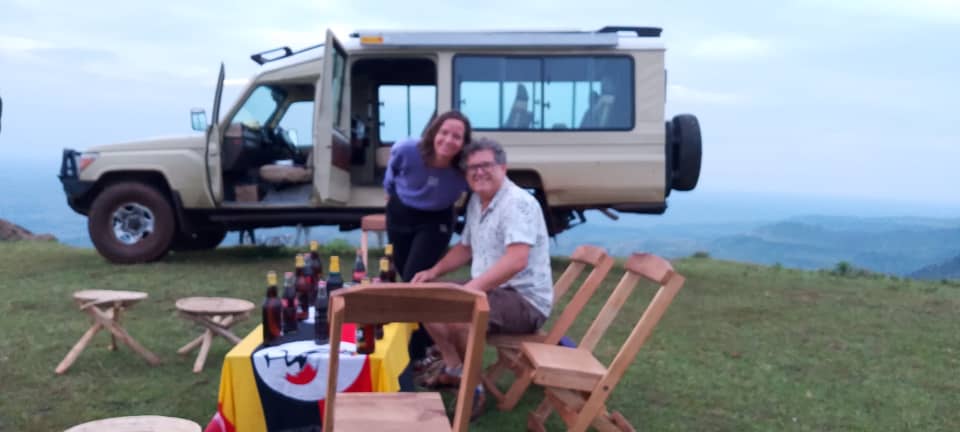
Afternoon/Evening Game Drives
Time: 3:00 PM - 7:00 PM
As temperatures cool, animals emerge to feed and drink. Evening drives offer spectacular sunset backdrops and chances to see nocturnal species beginning their activities. The changing light creates dramatic viewing moments.
Full Day Game Drives
For serious wildlife enthusiasts, full-day drives venture deeper into parks with packed lunches. This extended time increases chances of rare sightings and allows exploration of remote areas. Full-day drives are particularly rewarding in large parks like Murchison Falls and Kidepo Valley.
Night Game Drives
Available in select parks (Lake Mburo, Murchison Falls with special permission), night drives reveal nocturnal wildlife including leopards, lions hunting, bushbabies, civets, and hyenas. Spotlights illuminate the darkness for a completely different safari experience.
🐘 Wildlife You Can See on Uganda Game Drives
The Big Five
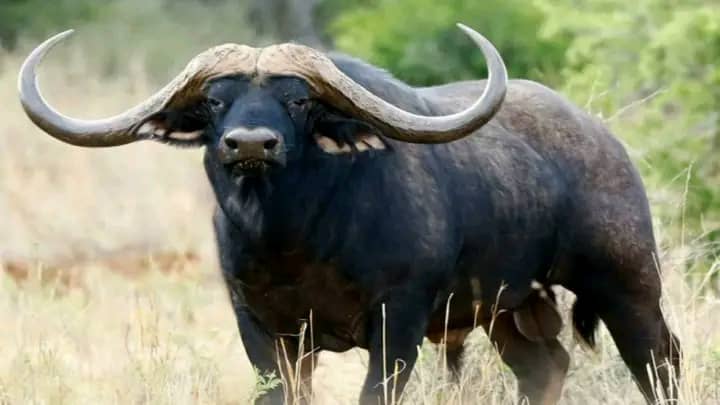
While Uganda is more famous for primates, several parks offer Big Five sightings:
- Lions: Queen Elizabeth, Murchison Falls, Kidepo Valley
- Leopards: All major savanna parks (elusive but present)
- Elephants: Abundant in Queen Elizabeth and Murchison Falls
- Buffaloes: Large herds in all savanna parks
- Rhinos: Ziwa Rhino Sanctuary (en route to Murchison)
Other Iconic Wildlife
- Giraffes: Rothschild giraffes in Murchison Falls and Kidepo
- Zebras: Common in Lake Mburo, present in Kidepo
- Hippos: Abundant along water channels, especially Kazinga Channel
- Crocodiles: Nile crocodiles in rivers and lakes
- Antelopes: Uganda kobs, topis, hartebeests, waterbucks, impalas
- Cheetahs: Rare, only in Kidepo Valley
- Warthogs, bushbucks, and duikers: Common across all parks
🎒 What to Pack for Game Drives
Proper preparation ensures comfort and maximizes your safari experience. Here's what to bring:
Essential Clothing
- Neutral colors: Khaki, brown, olive—avoid bright colors
- Layered clothing: Mornings are cool, afternoons hot
- Long sleeves and pants: Protection from sun and insects
- Warm jacket: Essential for early morning drives
- Sun hat with wide brim: Critical for sun protection
- Sunglasses: Polarized lenses reduce glare
Safari Equipment
- Binoculars: Essential for distant wildlife viewing
- Camera with telephoto lens: 200-400mm recommended
- Extra batteries and memory cards: Limited charging in parks
- Dust bags: Protect electronics from dust
- Field guidebook: For identifying species
- Notebook: Record sightings and memories
Health and Comfort
- Sunscreen: SPF 50+ for African sun exposure
- Insect repellent: DEET-based for mosquitoes and tsetse flies
- Water bottles: Stay hydrated during drives
- Snacks: Energy bars for long drives
- Personal medications: Include antimalarials
- Wet wipes and hand sanitizer: For hygiene
👀 What to Expect on a Game Drive
The Vehicle
Game drives use 4x4 safari vehicles with pop-up roofs for 360-degree viewing and photography. Most vehicles accommodate 4-7 guests with window seats guaranteed for everyone. Professional drivers double as guides, skilled at spotting camouflaged wildlife.
The Experience
Drives typically last 3-4 hours covering 30-50 kilometers of park tracks. Your guide navigates based on recent sightings, animal behavior patterns, and radio communication with other guides. Expect periods of patient searching punctuated by exciting discoveries. Wildlife encounters are never guaranteed—that's the authentic safari experience.
Safari Etiquette
- Stay seated when near animals—never stand or lean out
- Keep voices low to avoid disturbing wildlife
- No flash photography—it stresses animals
- Stay inside the vehicle always (unless in designated areas)
- Don't litter—take all waste with you
- Respect minimum distances from wildlife
- Turn off mobile phone ringers
Typical Sightings
Most game drives yield 15-30 different species depending on season and luck. You'll almost certainly see elephants, buffaloes, various antelopes, warthogs, and abundant birds. Predator sightings (lions, leopards) occur on about 30-50% of drives. The thrill is in the search and the moments of spectacular discovery.
💡 Expert Safety & Preparation Tips
Physical fitness matters: Walking safaris require moderate fitness. You'll walk 5-15km daily on uneven terrain in heat. Start training 2-3 months before—daily walks with a weighted backpack build stamina. Listen to your guide always: When your armed guide gives instructions (freeze, move quietly, step back), obey immediately without question. Their experience keeps you safe. Wear earth-tone clothing: Khaki, olive, brown blend with the bush. Avoid bright colors, white, or black. No camouflage patterns (illegal in some countries). Break in boots thoroughly: Blisters ruin walking safaris. Wear hiking boots for weeks before departure to prevent foot problems. Stay hydrated: Carry 2-3 liters of water. Dehydration in African heat is dangerous. Be silent and observant: Talking alerts animals. Move quietly, watch where you step, and listen to bush sounds—your guide will explain everything during breaks. Medical disclosure: Inform guides of any conditions (heart issues, allergies, medications). Walking safaris are strenuous—honesty ensures appropriate pace and safety measures.
Ready for Your Walking Safari Adventure?
Experience Africa on foot with certified armed guides, exceptional wildlife encounters, and authentic wilderness immersion. Let us create your perfect walking safari itinerary.
REQUEST QUOTE