
Bwindi Impenetrable National Park
Discover one of Africa's most ancient and biologically diverse rainforests, home to nearly half of the world's remaining mountain gorillas. Bwindi Impenetrable National Park, a UNESCO World Heritage Site since 1994, spans 331 square kilometers of mountainous terrain covered in impenetrable mist-shrouded forests. Trek through this pristine wilderness to encounter endangered mountain gorillas in their natural habitat, experience the exclusive 4-hour gorilla habituation, observe over 350 bird species including 23 Albertine Rift endemics, and immerse yourself in the rich culture of the indigenous Batwa pygmies who once called this ancient forest home.
Park Highlights
- Home to 459 mountain gorillas - nearly half the world's remaining population
- UNESCO World Heritage Site since 1994
- 331 square kilometers of ancient montane and lowland forest
- 350+ bird species including 23 Albertine Rift endemics
- 120 mammal species including 11 primate species
- Four gorilla trekking sectors - Buhoma, Ruhija, Rushaga, and Nkuringo
- Altitude range from 1,160m to 2,607m above sea level
- 25,000+ years old - one of Africa's oldest and most biologically diverse rainforests
- Batwa pygmy heritage - cultural immersion with indigenous forest people




About Bwindi Impenetrable National Park
The World's Premier Gorilla Destination
Bwindi Impenetrable National Park stands as one of Africa's most ancient and biologically diverse rainforests, designated a UNESCO World Heritage Site in 1994. This 331-square-kilometer mountainous sanctuary harbors nearly half of the world's remaining mountain gorillas - an estimated 459 individuals across 20+ habituated families. The park's name derives from the local Rukiga word "mubwindi" meaning "impenetrable," perfectly describing the dense montane and lowland forest that has thrived for over 25,000 years.
Located in southwestern Uganda along the edge of the Albertine Rift Valley, Bwindi forms a critical ecological corridor connecting to Sarambwe Reserve in the Democratic Republic of Congo. The park's rugged terrain ranges from 1,160 to 2,607 meters above sea level, creating diverse microclimates that support exceptional biodiversity. Mist-shrouded mountains, deep valleys, and steep ridges create an otherworldly landscape where ancient trees draped in moss tower over the forest floor.
Biodiversity Hotspot
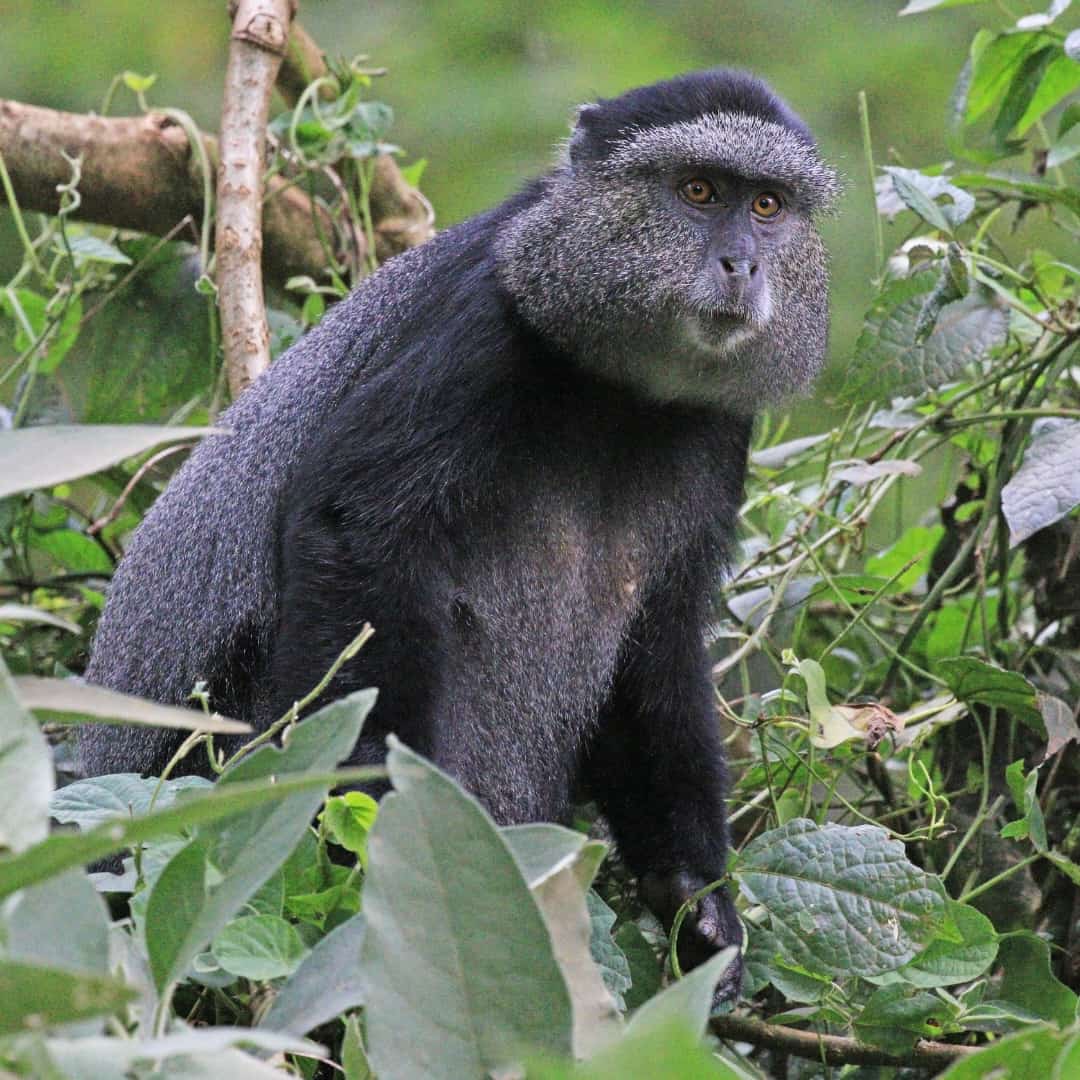
Beyond mountain gorillas, Bwindi harbors extraordinary biodiversity: 120 mammal species including 11 primates (chimpanzees, L'Hoest's monkeys, blue monkeys, red-tailed monkeys, black-and-white colobus, olive baboons); 350+ bird species with 23 Albertine Rift endemics found nowhere else on Earth; 220 butterfly species; 27 frog species; rare forest elephants; giant forest hogs; and elusive African golden cats. The park protects over 1,000 flowering plant species and 163 tree species - more than any other forest in East Africa.
Four Distinct Sectors
Buhoma (North): Oldest and most developed sector with excellent infrastructure, moderate trekking difficulty, and stunning forest scenery. Home to 4 habituated gorilla families.
Ruhija (East): Highest elevation sector (2,350m) offering spectacular Albertine Rift views, exceptional birding with endemic species, and challenging but rewarding treks. Home to 4 gorilla families.
Rushaga (South): Most gorilla families (8+ groups) including the exclusive gorilla habituation experience. Varied terrain and excellent community tourism initiatives.
Nkuringo (Southwest): Steepest trekking terrain with breathtaking Virunga volcano views. Community-owned lodges and cultural experiences. Home to 2 gorilla families plus golden monkey tracking nearby.
Conservation Success Story
Bwindi represents one of conservation's greatest triumphs. Mountain gorilla populations have grown from approximately 600 individuals in 1989 to over 1,000 today across the Virunga Massif and Bwindi-Sarambwe ecosystem. Tourism revenue supports gorilla protection, anti-poaching efforts, veterinary care, community development (schools, health clinics, water projects), and alternative livelihoods for local communities. The park demonstrates how sustainable ecotourism can simultaneously protect endangered species while improving human welfare.
Indigenous Heritage
The Batwa pygmies, indigenous forest dwellers who lived in Bwindi for over 500 years, were relocated when the park was established. Today, the Batwa Cultural Heritage Trail offers visitors the opportunity to learn ancient forest survival skills - hunting techniques, medicinal plants, fire-making, honey gathering - while supporting Batwa community development through tourism revenue sharing. This powerful cultural experience connects visitors to the forest's human history and ongoing social challenges.
Best Time to Visit
Dry Seasons (June-September & December-February): Best trekking conditions with less muddy trails, easier hiking, and better photography. Peak season requires advance permit booking (6-12 months).
Wet Seasons (March-May & October-November): More challenging trekking but lush green forests, excellent birding (migratory species), fewer tourists, and gorillas often lower altitude (shorter treks). Permits more available.
Gorilla trekking is possible year-round. The forest's high rainfall (1,400-1,900mm annually) means rain is possible any month - waterproof gear essential!