
The Big Five Safari in Kenya is the ultimate wildlife experience - encountering Africa's most legendary animals: Lion, Leopard, Elephant, Buffalo, and Rhino. Kenya's diverse ecosystems, from the golden grasslands of Masai Mara to the elephant herds of Amboseli against Mount Kilimanjaro's backdrop, offer unparalleled opportunities to see all five magnificent species. This is not just a safari - it's a journey into the heart of Africa's greatest wildlife spectacle.
🦁 Understanding the Big Five
The term "Big Five" originated from big-game hunters who considered these five animals the most dangerous and challenging to hunt on foot. Today, they represent Africa's most sought-after safari sightings. Each member brings unique behaviors and viewing experiences.
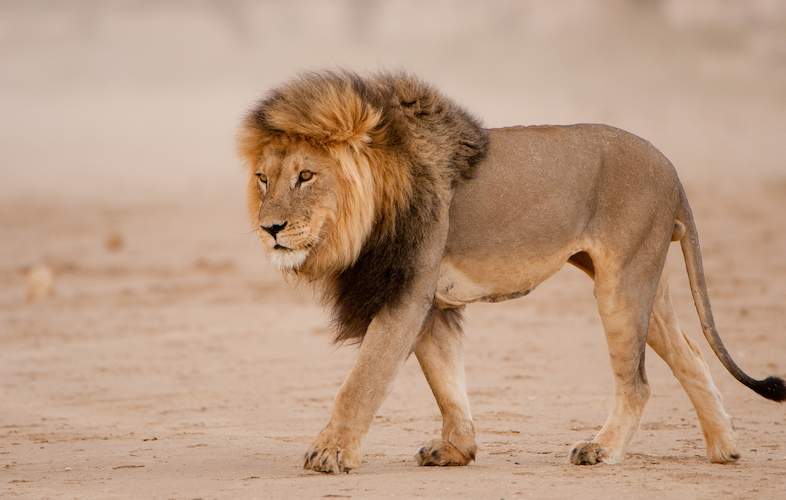
1. Lion - The King of Beasts
Lions are the only truly social big cats, living in prides of up to 30 individuals. In Kenya's Masai Mara, witness dramatic hunts, males defending territory, and cubs playing under watchful mothers. The Mara is famous for its tree-climbing lions and massive prides.
- Best viewing: Early morning and late afternoon
- Behavior: Social interactions, hunting, territorial displays
- Top locations: Masai Mara, Amboseli, Tsavo
2. Leopard - The Elusive Hunter

The most elusive of the Big Five, leopards are solitary, nocturnal hunters known for their incredible strength and tree-climbing ability. Spotting a leopard draped over a branch with its kill is one of safari's greatest moments.
- Best viewing: Dawn and dusk in riverine areas
- Behavior: Solitary, territorial, caching kills in trees
- Top locations: Masai Mara, Samburu, Laikipia
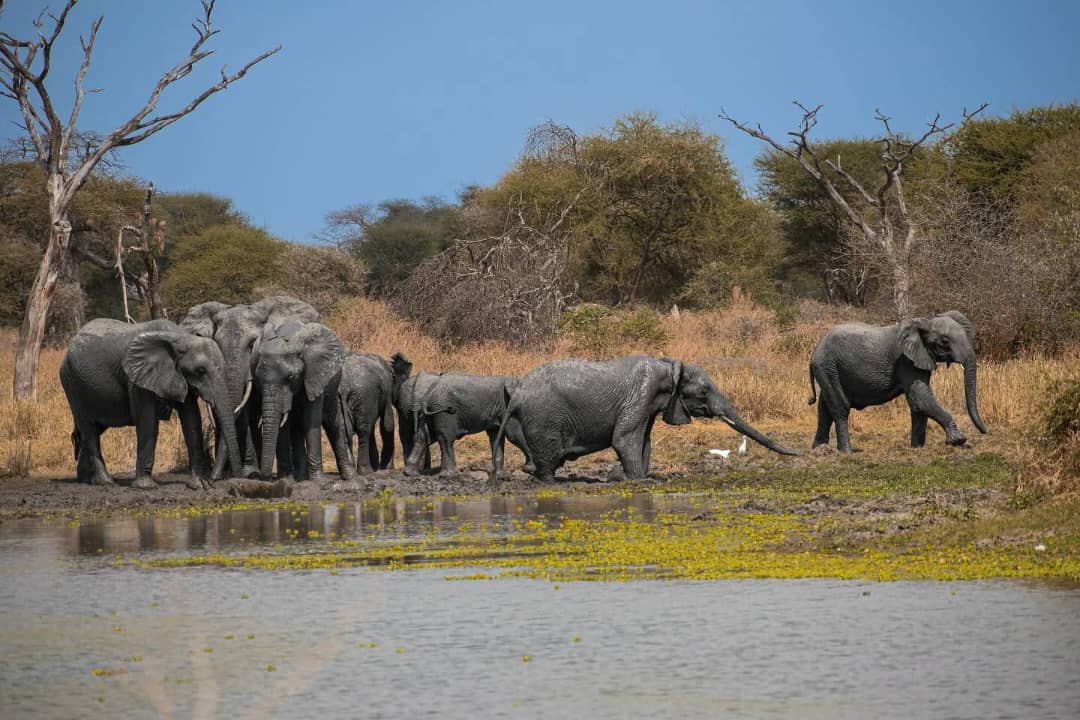
3. Elephant - The Gentle Giants
African elephants are the world's largest land mammals, with Kenya's populations among the most photographed. Amboseli's elephants against Mount Kilimanjaro create iconic images, while Samburu hosts unique "desert elephants" with distinctive behaviors.
- Best viewing: All day, especially near water sources
- Behavior: Complex family dynamics, mud bathing, feeding
- Top locations: Amboseli, Tsavo, Samburu, Masai Mara
4. Buffalo - The Dangerous Herbivore
Cape buffalo are considered one of Africa's most dangerous animals, especially when wounded or protecting calves. They're highly social, forming massive herds of hundreds, with complex hierarchies and cooperative defense strategies.
- Best viewing: Morning and evening near water
- Behavior: Herd dynamics, mud wallowing, confronting predators
- Top locations: Masai Mara, Amboseli, Lake Nakuru
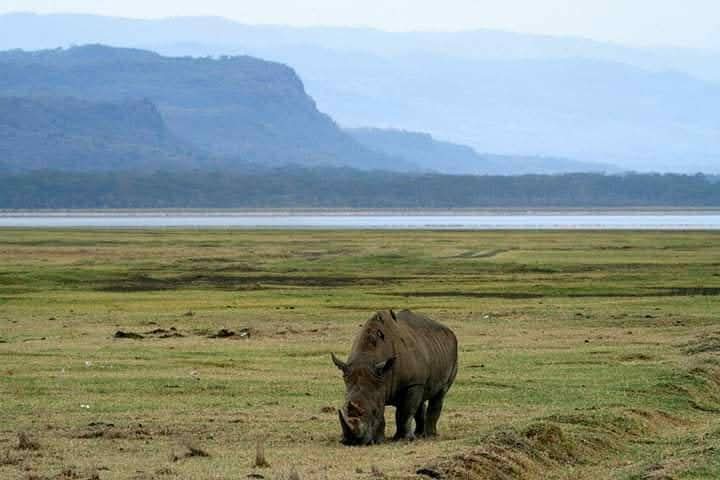
5. Rhinoceros - The Critically Endangered Giants
Both Black and White rhinos can be found in Kenya, though they're the rarest of the Big Five due to poaching. Dedicated conservancies like Ol Pejeta and Lake Nakuru offer excellent rhino viewing with armed ranger protection.
- Best viewing: Morning in conservancies with trackers
- Behavior: Territorial, solitary (Black) or semi-social (White)
- Top locations: Ol Pejeta, Lake Nakuru, Lewa Conservancy
📍 Best Destinations for Big Five Safari in Kenya
Masai Mara National Reserve
Kenya's premier safari destination and part of the greater Serengeti ecosystem. The Mara offers exceptional Big Five viewing year-round, with particularly spectacular sightings during the Great Migration (July-October) when predators follow massive herds.
- All Big Five present with excellent sighting rates
- Famous for large lion prides and leopard sightings
- River crossings attract predators during migration
- Private conservancies offer exclusive Big Five experiences
Amboseli National Park
Famous for its massive elephant herds against Mount Kilimanjaro's backdrop. Amboseli's open grasslands make Big Five spotting easier, though rhino are rare here. The park's elephants are among Africa's most photographed wildlife.
Tsavo East & West National Parks
Kenya's largest wilderness areas, famous for "red elephants" that dust-bathe in red soil. Tsavo's rugged terrain hosts all Big Five, with particularly impressive elephant and lion populations. Less crowded than Mara with adventurous safari atmosphere.
Ol Pejeta Conservancy
A private conservancy offering Kenya's highest density of rhinos, including the last two Northern White Rhinos on Earth. Excellent Big Five viewing with innovative conservation practices and night game drives.
Lake Nakuru National Park
A compact park with excellent Big Five viewing, particularly rhinos and leopards. The park's sanctuary status protects both Black and White rhinos, making it one of Kenya's best places for guaranteed rhino sightings.
🗓️ Best Time for Big Five Safari in Kenya
Kenya offers excellent Big Five viewing year-round, but seasonal variations affect wildlife behavior, vegetation density, and overall safari experience. Timing depends on your priorities - migration, predator activity, or fewer crowds.
Dry Season (June to October) - Peak Safari Season
Why it's best: Animals concentrate around permanent water sources, making Big Five sightings more predictable. Vegetation is sparse, improving visibility. July-October coincides with the Great Migration in Masai Mara, bringing massive predator activity.
- Easiest Big Five spotting with animals at water
- Excellent photography with clear skies
- River crossings and predator hunts in Mara
- Dry roads allow access to remote areas
Considerations:
- Peak season means higher prices
- More safari vehicles at popular sightings
- Book accommodation 6-12 months ahead
- Dust can be heavy, especially in Amboseli
Short Dry Season (January to February)
Another excellent period with good Big Five viewing, particularly in northern parks like Samburu. Calving season in Southern Serengeti (nearby Tanzania) brings predators including migrating cats. Fewer tourists than June-October with similar wildlife concentrations.
Shoulder Seasons (March-May, November-December)
The "green season" offers unique advantages for Big Five enthusiasts willing to brave occasional rains:
- Dramatically lower accommodation rates (30-50% discounts)
- Fewer safari vehicles for exclusive wildlife encounters
- Lush, photogenic landscapes with dramatic skies
- Newborn animals attract predators
- Excellent for photographers seeking dramatic lighting
- Animals still visible, though more dispersed
🚙 Types of Big Five Safaris
Kenya offers diverse safari experiences for encountering the Big Five, from classic game drives to specialized private conservancy experiences.
Classic Game Drives
The traditional safari experience in open 4x4 vehicles with pop-up roofs for 360-degree viewing. Morning and afternoon drives (3-4 hours each) target peak wildlife activity when Big Five are most active.
- Best for first-time safari visitors
- Morning drives: 6:00-10:00 AM (best for predators)
- Afternoon drives: 4:00-7:00 PM (active animals, golden light)
- Expert guides track Big Five via radio network
Full-Day Safaris
Maximize Big Five sightings by spending the entire day in the park with packed breakfast and lunch. Witness the full cycle of animal activity from dawn predator hunts to midday elephant herds at water holes.
Private Conservancy Safaris
Exclusive Big Five experiences in private conservancies adjacent to national parks. Benefits include off-road driving (closer wildlife encounters), no vehicle number restrictions, night drives, and walking safaris.
- Top conservancies: Mara North, Olare Motorogi, Lewa, Ol Pejeta
- More intimate Big Five encounters with fewer vehicles
- Night drives reveal leopards and lion hunts
- Walking safaris for tracking rhino and buffalo
Combination Safaris
Multi-park itineraries maximizing Big Five diversity: Mara for lions and leopards, Amboseli for elephants, Ol Pejeta for rhinos, Samburu for unique subspecies. Typical 7-14 day safaris cover 3-4 destinations.
🎒 What to Pack for Big Five Safari
Packing smart ensures you're prepared for all safari conditions while maximizing wildlife photography opportunities. Here's your essential Big Five safari packing list:
Clothing Essentials
- Neutral colors: Khaki, olive, brown (avoid bright colors and black)
- Lightweight layers: Mornings are cold, afternoons hot
- Long-sleeved shirts: Sun and insect protection
- Comfortable trousers: Safari pants or jeans work well
- Warm fleece/jacket: Essential for early morning drives
- Wide-brimmed hat: Sun protection with chin strap
- Closed-toe shoes: Comfortable walking shoes or boots
Safari Gear
- Binoculars: 8x42 or 10x42 for distant wildlife
- Camera with telephoto: 200-400mm lens ideal
- Extra batteries: Cold mornings drain power fast
- Memory cards: Bring plenty—Big Five photos add up!
- Dust protection: Bags/covers for gear (Amboseli dust!)
- Headlamp/torch: For pre-dawn departures
- Power bank: Keep devices charged
Health & Comfort
- Sunscreen: SPF 50+ for high-altitude African sun
- Insect repellent: DEET 30%+ for mosquitoes
- Sunglasses: Polarized to reduce glare
- Lip balm with SPF: Prevents cracked lips from dust
- Personal medications: Antimalarials, prescriptions
- Basic first aid: Band-aids, pain relievers, antihistamines
- Reusable water bottle: Stay hydrated on game drives
Photography Tips for Big Five
- Shoot in early morning/late afternoon for golden light
- Use fast shutter speeds (1/500+) for moving animals
- Focus on eyes—sharp eyes make compelling wildlife portraits
- Photograph behavior, not just portraits (hunts, interactions)
- Be ready—Big Five moments happen fast
- Respect minimum viewing distances (especially elephant, buffalo, rhino)
👀 What to Expect on a Big Five Safari
Typical Safari Day
Wake up before dawn (5:30-6:00 AM) for the prime Big Five viewing window. After quick coffee and biscuits, head out for morning game drive when predators are most active. Return to lodge around 10:00 AM for brunch and midday rest. Afternoon game drive departs 4:00 PM, returning after sunset around 7:00 PM. Evening includes dinner and safari stories around the fire.
The Safari Vehicle
Extended 4x4 Land Cruisers or Land Rovers with pop-up roofs allow 360-degree viewing and photography. Window seats guarantee every passenger excellent views. Vehicles carry field guides, charging ports, binoculars, and coolers with water. Your driver-guide communicates via radio with other vehicles to locate Big Five sightings.
Big Five Sighting Expectations
- Lion: 70-90% chance on 3-day safari in Masai Mara
- Elephant: Nearly 100% in Amboseli, Tsavo, and Mara
- Buffalo: 80-95% chance (often in large herds)
- Leopard: 40-60% chance (most elusive Big Five member)
- Rhino: 70-90% in dedicated sanctuaries (Ol Pejeta, Lake Nakuru)
Reality check: Wildlife viewing is never guaranteed. Animals roam freely, and patience is essential. Most visitors on 5-7 day safaris see all Big Five, but leopard and rhino can be challenging without dedicated tracking.
Safety on Safari
Big Five earned their name for being dangerous. Follow these critical safety rules:
- Never exit vehicle except at designated areas
- Keep quiet around predators—don't attract attention
- No sudden movements or loud noises near buffalo or elephant
- Maintain safe distances (guides will position vehicle properly)
- If elephant displays (ears forward, trunk raised), back away slowly
- Buffalo are unpredictable—never approach on foot
- Trust your guide's expertise and follow instructions immediately
🏨 Big Five Safari Accommodation
Kenya offers exceptional lodging options to suit every budget and style, from luxury tented camps with front-row Big Five viewing to affordable safari lodges.
Luxury Tented Camps
Experience canvas-under-stars luxury with Big Five just outside your tent. Private conservancy camps offer exclusivity, gourmet dining, and exceptional wildlife encounters. Expect: spacious tents with ensuite bathrooms, private verandas overlooking wildlife areas, personal butler service, and sundowner cocktails in the bush. Cost: $500-$1,500+ per person per night.
Mid-Range Lodges & Camps
Comfortable accommodation with excellent Big Five access at reasonable prices. Lodges inside or near parks offer morning and afternoon game drives with experienced guides. Features include swimming pools, restaurants, Wi-Fi in common areas, and knowledgeable naturalist guides. Cost: $200-$500 per person per night.
Budget Safari Camps
Simple but clean accommodation perfect for travelers prioritizing wildlife over luxury. Most budget options are just outside park gates with easy access to Big Five viewing areas. Expect basic tents or bandas, shared facilities in some cases, simple meals, and communal dining. Cost: $80-$200 per person per night.
Mobile Camping Safaris
For the adventurous, mobile camps follow Big Five movements seasonally. Tents are set up in prime wildlife areas, offering authentic bush experiences with all equipment and meals provided by your safari team. Cost: $150-$400 per person per night.
💡 Expert Tips for Big Five Safari
Book early for peak season: July-October is prime Big Five viewing, especially in Masai Mara during migration. Book 6-12 months ahead for best lodges and guaranteed space. Prioritize quality over quantity: Spending 3-4 days in one park yields better Big Five sightings than rushing through multiple parks. Animals become habituated to vehicles in specific areas, making closer encounters possible. Hire experienced guides: Great guides know individual animals' territories and behaviors, dramatically increasing your Big Five success rate. Private guides cost more but transform the experience. Visit conservancies for exclusive encounters: Private conservancies adjacent to national parks offer off-road driving, night drives, and walking safaris—impossible in national parks. Fewer vehicles mean intimate Big Five moments. Stay patient during sightings: When you find Big Five, especially leopards, stay quiet and wait. Animals often move closer or display fascinating behaviors if you're patient. Combine parks strategically: Pair Mara (lions, leopards) with Amboseli (elephants), then Ol Pejeta or Lake Nakuru (rhinos) for comprehensive Big Five coverage.
Ready to Experience the Big Five in Kenya?
Let our expert team craft your ultimate Big Five safari. From Masai Mara's legendary lion prides to Amboseli's elephant herds, we'll create an unforgettable wildlife adventure tailored to your dreams.
PLAN MY BIG FIVE SAFARI