
Kenya's cultural village tours offer an authentic window into the lives of Africa's most iconic tribal communities. From the legendary Maasai warriors of the savannah to the resilient Samburu pastoralists and the remote Turkana people of the north, Kenya's diverse ethnic groups maintain ancient traditions that have endured for millennia. Visit traditional villages, participate in sacred ceremonies, learn survival skills passed down through generations, and gain profound insights into cultures that coexist with wildlife in Africa's most spectacular landscapes.
🌍 Kenya's Iconic Tribal Communities
The Maasai People (Southern Kenya & Maasai Mara)
The Maasai are Kenya's most famous pastoral tribe, renowned worldwide for their distinctive red shukas (robes), intricate beadwork, and the adumu (jumping dance). Despite modernization, many Maasai communities maintain traditional semi-nomadic lifestyles centered on cattle herding.
Cultural Experiences:
- Witness the spectacular warrior jumping dance (adumu)
- Visit traditional manyattas (homesteads) built from cow dung and mud
- Learn fire-making techniques using sticks and friction
- Participate in beadwork workshops with Maasai women
- Understand cattle culture and their sacred importance
- Experience traditional healing practices using herbs
- Watch spear-throwing demonstrations by warriors

The Samburu People (Northern Kenya)
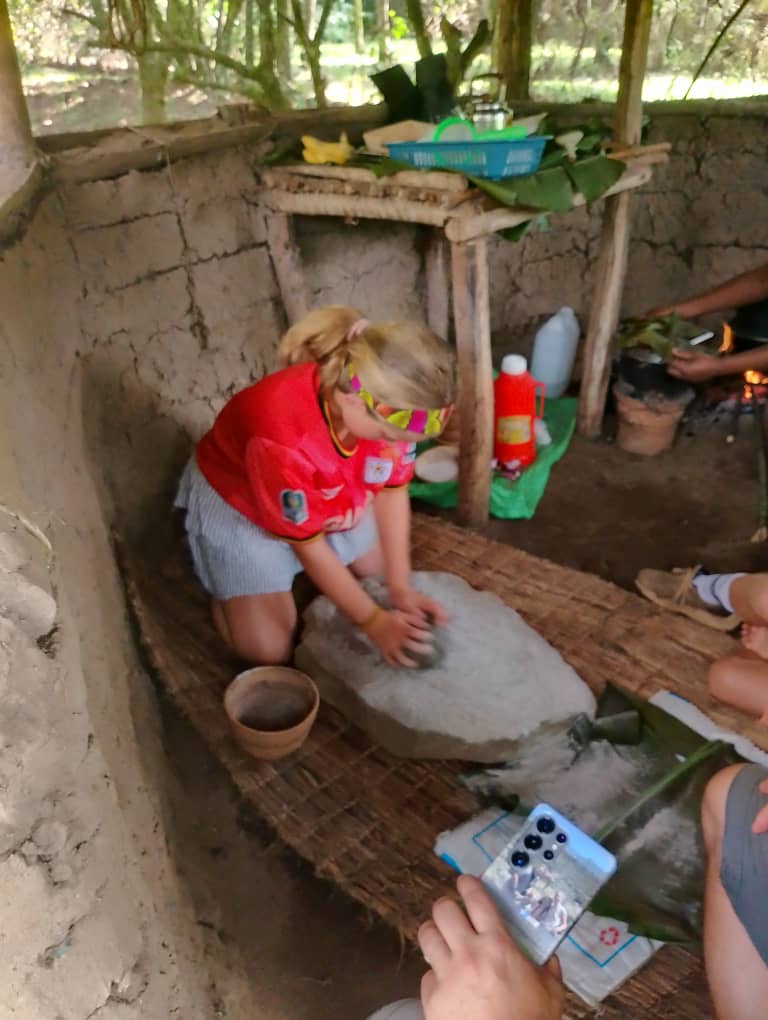
Close relatives of the Maasai, the Samburu maintain even more traditional lifestyles in Kenya's remote northern regions. Known for their elaborate jewelry, colorful attire, and unique cultural practices, the Samburu offer visitors an authentic glimpse into pastoralist culture.
Samburu Highlights:
- Meet the Lmuran (warriors) with distinctive long braided hair
- Learn about age-set systems and rites of passage
- Discover the importance of the doum palm in Samburu culture
- Experience traditional music with singing and rhythmic movements
- Visit remote villages in stunning northern landscapes
- Learn survival skills for arid environments
- Understand their spiritual connection to Mount Nyiru
The Turkana People (Lake Turkana Region)
Kenya's fourth-largest ethnic group, the Turkana inhabit the remote, arid regions around Lake Turkana—the world's largest permanent desert lake. Their resilience in one of Africa's harshest environments is remarkable, maintaining traditions of pastoralism and fishing.
- Experience life in Africa's most remote regions
- Learn traditional fishing methods on Lake Turkana
- Discover unique lip plugs and body scarification traditions
- Understand nomadic livestock management in extreme conditions
- Visit the "Cradle of Mankind" with fossil discoveries
- Experience hospitality in one of Kenya's least-visited regions
Other Kenyan Communities
Kikuyu: Kenya's largest ethnic group, visit agricultural communities in Central Kenya and learn about traditional farming, Kikuyu spirituality, and Mount Kenya's sacred significance.
Luo: Explore fishing villages along Lake Victoria, experience traditional Luo music and dance, and learn about their unique burial customs and connection to water.
Swahili Coastal Communities: Discover centuries-old Swahili culture in Lamu and Mombasa, exploring Islamic influences, dhow-building traditions, and Swahili cuisine.
🗓️ Best Time for Cultural Village Tours
Cultural village tours in Kenya are available year-round, but timing can affect your experience based on weather, ceremonies, and tourist seasons.
Dry Seasons (June-October & January-February)
Best overall conditions: Dry seasons offer comfortable touring weather, especially important for communities in northern Kenya where heat is intense. Roads to remote villages are more accessible, and outdoor activities are more enjoyable.
- Easier access to remote communities
- Comfortable weather for outdoor activities
- Better photography with clear skies
- Ideal for combining with safari activities
- Peak season for traditional ceremonies
Special Cultural Events:
- August: Maasai Mara Cultural Festival
- September: Various harvest celebrations
- December: End-of-year ceremonies
- Tourist season: More organized programs available
Green Season (March-May & November)
The rainy seasons bring unique advantages for cultural tourism:
- More authentic daily life observations (agricultural activities)
- Fewer tourists for more intimate cultural exchanges
- Lower accommodation rates
- Beautiful green landscapes
- Traditional planting and blessing ceremonies
- More availability of community guides
Special Cultural Calendar
Some ceremonies and rites of passage happen according to cultural calendars rather than specific dates. These include Maasai age-set initiations, Samburu warrior ceremonies, and various coming-of-age rituals. Consult with cultural tour operators for upcoming special events.
🎭 Types of Cultural Village Tours & Pricing
Kenya offers various cultural tourism experiences, from half-day village visits to multi-day immersion programs. Pricing varies based on community, duration, and activities included.
Tour Types & Typical Costs
Half-Day Village Visits:
- Maasai villages (Mara area): $30-50 per person
- Duration: 2-3 hours
- Includes: Village tour, dance performance, craft demonstrations
- Best for: Safari add-on, first-time visitors
Full-Day Cultural Experiences:
- Cost: $80-150 per person
- Duration: 6-8 hours
- Includes: Multiple activities, traditional meals, hands-on workshops
Multi-Day Immersion Programs:
- 2-3 day homestays: $150-300 per person per day
- Includes: Accommodation in traditional homes, all meals, extensive cultural activities
- Activities: Herding cattle, traditional cooking, ceremonies, storytelling
- Communities: Samburu, Maasai, Turkana options
Specialty Cultural Tours:
- Ceremony attendance: $200-500 (when available)
- Warrior training: $100-200 per person
- Traditional healing: $50-100 per person
What's Included
- Community entry fees (portion goes directly to villages)
- Local guide services from community members
- Cultural demonstrations and performances
- Craft workshop participation
- Traditional meals (full-day and multi-day tours)
- Photography opportunities (with community permission)
- Translation services when needed
- Support for community development projects
Important Notes
- Book through responsible tour operators who ensure fair community compensation
- Tourist villages near parks tend to be more commercialized
- Remote community visits offer more authentic experiences but require more time
- Prices support healthcare, education, and sustainable livelihoods
- Photography may incur additional small fees—always ask permission
- Tipping guides directly (separate from tour fees) is appreciated
🎒 What to Pack for Cultural Village Tours
Packing appropriately for cultural village tours shows respect for communities while ensuring your comfort. Modesty and cultural sensitivity are key considerations.
Clothing Essentials (Respectful Attire)
- Modest clothing: Cover shoulders and knees (especially important for women)
- Long skirts/dresses: Women should avoid trousers in some conservative communities
- Lightweight trousers: For men and more active activities
- Long-sleeved shirts: Sun protection and modesty
- Comfortable walking shoes: Closed-toe for village walks
- Sun hat: Essential for northern Kenya's heat
- Light jacket: Evenings can be cool, especially at altitude
- Scarf/shawl: Multi-purpose for women (head covering, warmth)
Essential Items
- Small gifts: School supplies, simple items (NOT candy/money)
- Cash: Small bills for craft purchases
- Reusable water bottle: Stay hydrated in hot climates
- Sunscreen: SPF 50+ for intense African sun
- Insect repellent: Essential for rural areas
- Hand sanitizer: Limited facilities in remote villages
- Wet wipes: For freshening up
- Personal medications: Including anti-malarials
Photography Equipment
- Camera with zoom lens: Respect personal space while capturing moments
- Extra batteries: Limited charging in remote areas
- Memory cards: Plenty of storage for cultural documentation
- Small notebook: Record cultural insights and stories
What NOT to Bring
- Revealing clothing: Shorts, tank tops, short skirts (disrespectful)
- Expensive jewelry: Can create uncomfortable wealth disparities
- Candy for children: Creates dependency and dental issues
- Large bags: Keep minimal—villages have limited secure storage
Cultural Sensitivity Tips
- Dress more conservatively than you might on safari
- Bring small gifts that benefit the community (school supplies, books)
- Always ask before photographing people
- Remove shoes when entering homes (follow community lead)
- Accept offered hospitality graciously, even if unfamiliar
👀 What to Expect During Cultural Village Tours
Typical Half-Day Village Visit
Arrival & Welcome (30 minutes): Traditional welcome ceremony with singing and sometimes a blessing from elders. You'll be introduced to the community and given an overview of what you'll experience.
Village Tour (45 minutes): Walk through the community seeing traditional homes (Maasai manyattas, Samburu settlements), meeting families, and learning about daily life, social structures, and survival in challenging environments.
Cultural Demonstrations (1 hour): Watch traditional dances, warrior displays, fire-making, beadwork demonstrations, and learn about customs, beliefs, and ceremonies that define the culture.
Craft Market & Interaction (30 minutes): Opportunity to purchase authentic handmade crafts directly from artisans. Proceeds support families and community projects.
Full-Day Immersion Experience
Full-day tours offer deeper engagement with more hands-on activities:
- Participate in daily activities: Help with livestock herding, water collection, food preparation
- Traditional skills workshops: Learn beadwork, spear-throwing, fire-making, traditional cooking
- Share traditional meals: Eat authentic food prepared by community members
- Storytelling sessions: Hear oral histories, legends, and creation myths from elders
- Music and dance participation: Join in traditional songs and dances, not just watch
- Q&A with community members: Open discussions about culture, challenges, and modern life
Multi-Day Homestay Programs
The most immersive cultural experiences involve staying overnight in traditional communities:
- Sleep in traditional homes (manyattas, huts) with host families
- Wake before dawn to experience early morning routines
- Accompany warriors/herders on livestock duties
- Help with household chores and meal preparation
- Participate in evening storytelling around fires
- Experience the rhythm of traditional life firsthand
- Build meaningful connections with individual families
Cultural Etiquette & Expectations
- Photography: Always ask permission before photographing people. Some may request small fees
- Participation: Be willing to try new things—dance, taste foods, wear traditional clothing
- Respect customs: Follow lead of guides regarding shoes, head covering, sitting arrangements
- Listen actively: Show genuine interest when elders share stories and wisdom
- Support purchases: Buy crafts directly from artisans when possible
- Manage expectations: "Tourist villages" may be semi-staged; remote visits more authentic but less comfortable
- Be patient: Activities may not run on strict schedules—embrace the pace
🤝 Responsible & Ethical Cultural Tourism
Ethical cultural tourism ensures communities benefit fairly while preserving authentic traditions. Choose responsible tour operators and follow best practices to create positive impacts.
Choosing Ethical Tour Operators
- Community partnerships: Work with operators who have formal partnerships with communities, not just pay entrance fees
- Fair compensation: Ensure majority of tour fees go directly to communities
- Authentic experiences: Avoid operators creating "human zoos" or staged performances
- Capacity limits: Choose tours limiting daily visitor numbers to prevent overwhelming communities
- Community consent: Tours should be welcomed by communities, not imposed
- Development support: Operators should contribute to education, healthcare, and infrastructure
Responsible Tourist Behavior
- Respect privacy: Don't photograph without permission; people aren't zoo exhibits
- Dress modestly: Cover shoulders and knees, follow cultural norms
- Ask questions respectfully: Inquire about culture with genuine curiosity, not judgment
- Support local economy: Buy crafts directly from artisans at fair prices
- No handouts: Don't give candy, pens, or money to children—creates dependency
- Learn basic greetings: Effort to speak local language shows respect
- Follow guides' lead: They understand cultural sensitivities
Community Benefits of Cultural Tourism
- Income generation for rural communities with limited economic options
- Funding for schools, clinics, and clean water projects
- Cultural preservation through economic value of traditions
- Pride in heritage as young people see tourists valuing their culture
- Alternative income to poaching or unsustainable practices
- Cross-cultural understanding and global connections
Warning Signs of Unethical Tourism
- Communities seem uncomfortable or unhappy with visitors
- Children aggressively begging for gifts or money
- Performances seem forced or overly commercialized
- No clear explanation of how tour fees benefit community
- Pressure to buy crafts or pay for photos
- Villages right on main tourist routes (may be "created" for tourism)
💡 Best Practice: Choose multi-day immersion programs or homestays over brief village visits. Deeper engagement creates more meaningful cultural exchange and provides greater economic benefit to communities. Remote communities often offer more authentic experiences than roadside tourist villages.
💡 Expert Tips for Cultural Village Tours
Choose remote over roadside: Villages far from main safari routes offer more authentic experiences. Yes, they require more travel time, but the cultural immersion is incomparably richer. Hire local guides: Community members provide deeper insights than external guides. Their perspective and personal stories transform tours from observation to conversation. Learn basic greetings: "Sopa" (Maasai hello) or "Ashe" (Samburu thanks) shows respect. Small language efforts create immediate connection. Time your visit right: If possible, attend during special ceremonies or festivals—check cultural calendars for major events. These showcase traditions at their most vibrant. Bring meaningful gifts: School supplies, soccer balls, or educational materials benefit communities more than candy or money. Donate to schools or health centers directly. Ask open-ended questions: Instead of "yes/no" questions, ask "Can you tell me about..." This invites stories and deeper sharing. Stay overnight when possible: Homestays provide exponentially more cultural understanding than day visits. Evenings around fires reveal stories and traditions invisible during day tours. Combine with conservation: Many communities coexist with wildlife. Learn how traditional practices support conservation—it's enlightening to understand this relationship. Follow up: If you connect with specific families or communities, consider ongoing support through education sponsorships or development projects rather than one-time handouts.
Ready to Experience Kenya's Living Cultures?
Connect with Kenya's vibrant tribal communities through authentic, responsible cultural tours. Our expert team arranges ethical village experiences that benefit communities while creating meaningful connections and unforgettable memories.
PLAN YOUR CULTURAL TOUR