
Kenya offers some of the world's most spectacular wildlife photography opportunities, from the dramatic Great Migration to intimate portraits of Africa's Big Five. Our photography safaris combine expert guidance, professional equipment, and access to prime locations to help you capture stunning images of Kenya's incredible wildlife and landscapes. Whether you're a beginner or professional photographer, our specialized tours provide the perfect setting for creating memorable wildlife photographs.
📸 Premier Photography Destinations in Kenya
Masai Mara National Reserve
The Masai Mara is Kenya's most iconic photography destination, famous for the Great Migration and year-round wildlife photography opportunities. This vast savanna offers dramatic landscapes, abundant wildlife, and some of Africa's best light conditions for photography.
Why Masai Mara is perfect for photography:
- Great Migration (Jul-Oct) - world's most spectacular wildlife event
- Big Five present year-round with excellent visibility
- Dramatic landscapes with acacia trees and rolling hills
- Golden hour lighting creates perfect conditions
- Professional photography vehicles with roof hatches
- Expert guides know best photography locations

Amboseli National Park
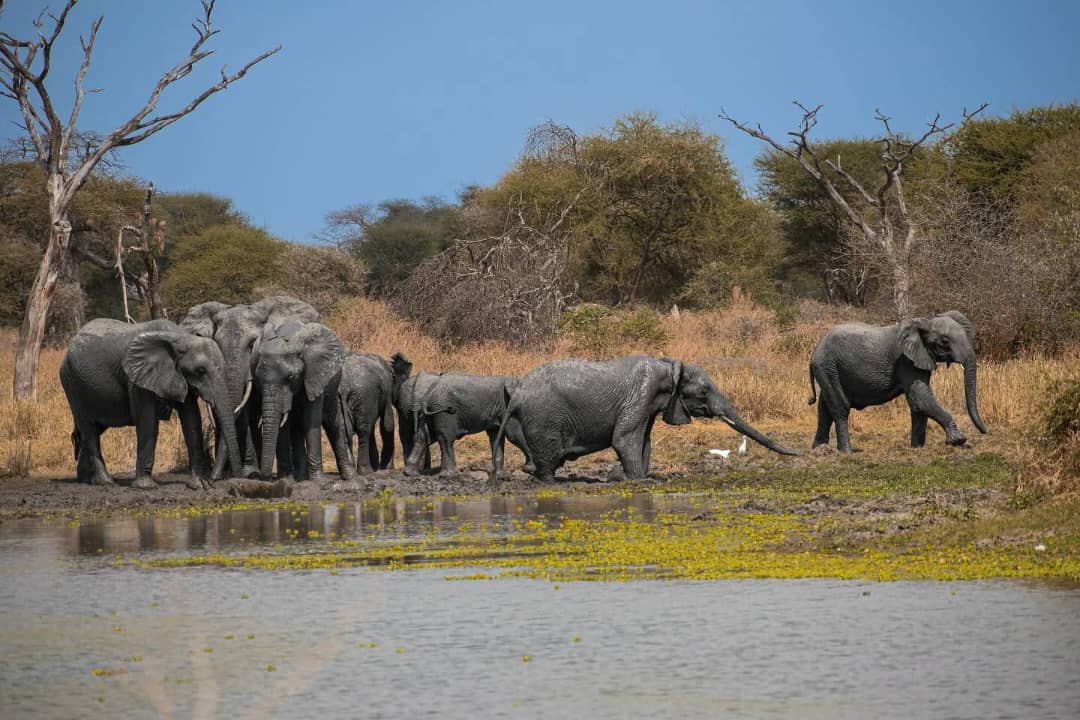
Famous for its large elephant herds with Mount Kilimanjaro as a backdrop, Amboseli offers unique landscape photography opportunities. The park's open plains and wetlands provide excellent wildlife viewing and photography conditions.
Amboseli photography highlights:
- Large elephant herds (up to 1,000 individuals)
- Mount Kilimanjaro backdrop for dramatic shots
- Dust devils and atmospheric conditions
- Wetland birds and water-based wildlife
- Open plains for wide-angle landscape shots
- Best light during early morning and late afternoon
Lake Nakuru National Park
Famous for its massive flamingo flocks, Lake Nakuru offers unique waterbird photography opportunities. The alkaline lake creates stunning reflections and the surrounding acacia forests provide diverse wildlife subjects.
- Flamingo photography: Up to 2 million flamingos creating pink carpets
- Waterbird diversity: Pelicans, cormorants, herons, and kingfishers
- Rhino photography: Both black and white rhinos present
- Landscape opportunities: Lake reflections and acacia forests
- Best times: Early morning for bird activity, late afternoon for golden light
Tsavo East & West National Parks
Kenya's largest national parks offer diverse photography opportunities across varied habitats. Tsavo is particularly good for landscape photography, large mammals, and dramatic scenery with red soil and baobab trees.
Mount Kenya & Aberdare Range
High-altitude photography opportunities with unique mountain landscapes, alpine vegetation, and specialized wildlife. Perfect for landscape photography and high-altitude wildlife encounters.
Coastal Photography (Watamu, Malindi)
Coastal areas offer unique photography opportunities including marine life, mangrove forests, and cultural photography with Swahili architecture and traditional fishing communities.
- Marine photography: Dolphins, whale sharks, coral reefs
- Mangrove forests: Unique ecosystem photography
- Cultural photography: Traditional fishing communities
- Sunset photography: Dramatic Indian Ocean sunsets
- Best time: Oct-Mar for calm seas and clear water
🗓️ Best Time for Photography Safaris
Photography in Kenya is excellent year-round, but timing affects lighting conditions, wildlife behavior, and seasonal events. Understanding seasonal patterns helps maximize your photography opportunities.
Peak Photography Season (Best Time)
July to October: Dry season offers the best photography conditions with clear skies, excellent visibility, and the Great Migration in full swing. This is the peak season for wildlife photography.
January to March: Another excellent dry period with good lighting conditions and abundant wildlife. Perfect for landscape and wildlife photography.
- Clear skies and excellent visibility
- Golden hour lighting is spectacular
- Wildlife congregates around water sources
- Great Migration in Masai Mara (Jul-Oct)
- Best conditions for landscape photography
Seasonal Highlights:
- Jul-Oct: Great Migration, dry season
- Jan-Mar: Dry season, excellent light
- Nov-Dec: Short rains, green landscapes
- Apr-Jun: Long rains, lush vegetation
- Year-round: Big Five always present
Seasonal Photography Opportunities
Wet Season (Mar-May & Oct-Nov): Lush green landscapes and dramatic skies create unique photography opportunities, though some areas may be less accessible.
- Advantages: Dramatic skies, lush vegetation, fewer tourists
- Challenges: Muddy roads, some areas inaccessible, overcast conditions
- Best for: Landscape photography, dramatic sky shots
Destination-Specific Timing
- Masai Mara: Jul-Oct for Great Migration, year-round for Big Five
- Amboseli: Year-round excellent, dry season for clear Kilimanjaro views
- Lake Nakuru: Year-round good, dry season for flamingo numbers
- Tsavo: Dry season (Jun-Oct, Jan-Mar) for best access
- Coastal areas: Oct-Mar for calm seas and clear water
📷 Photography Equipment & Techniques
Professional photography safaris require specialized equipment and techniques to capture Kenya's wildlife and landscapes effectively. Our expert guides provide equipment recommendations and hands-on instruction.
Essential Photography Equipment
Camera Bodies:
- DSLR or Mirrorless: Full-frame recommended for wildlife
- Backup body: Essential for professional work
- Weather sealing: Protection from dust and moisture
- Fast autofocus: Critical for moving wildlife
Lenses:
- Telephoto: 300mm+ for wildlife photography
- Wide-angle: 16-35mm for landscapes
- Mid-range: 70-200mm for versatility
- Macro: For close-up details
Support Equipment:
- Tripod: Heavy-duty for telephoto lenses
- Monopod: For vehicle-based photography
- Bean bag: Vehicle window support
- Gimbal head: For smooth panning
Accessories:
- Memory cards: High-speed, large capacity
- Extra batteries: Long days in the field
- Lens cleaning kit: Dust protection
- Polarizing filter: Reduce reflections
Photography Techniques
- Golden hour shooting: Best light during sunrise and sunset
- Rule of thirds: Composition for balanced images
- Depth of field: Control focus and background blur
- Panning techniques: For moving wildlife
- Exposure compensation: Handle challenging lighting
- Burst mode: Capture action sequences
Professional Services Included
- Expert photography guides: Professional wildlife photographers
- Equipment rental: Professional cameras and lenses available
- Technical instruction: Camera settings and techniques
- Post-processing guidance: Image editing and workflow
- Photography vehicles: Roof hatches and stable platforms
- Location scouting: Best spots for different subjects
🎒 Photography Safari Packing List
Proper preparation ensures you capture the best possible images during your photography safari. Here's your comprehensive packing list:
Essential Photography Gear
- Camera body: DSLR or mirrorless with weather sealing
- Backup camera: Essential for professional work
- Telephoto lens: 300mm+ for wildlife photography
- Wide-angle lens: 16-35mm for landscapes
- Mid-range lens: 70-200mm for versatility
- Macro lens: For close-up details
Support & Accessories
- Tripod: Heavy-duty for telephoto lenses
- Monopod: For vehicle-based photography
- Bean bag: Vehicle window support
- Memory cards: High-speed, large capacity
- Extra batteries: Long days in the field
- Lens cleaning kit: Dust protection
Clothing & Protection
- Neutral colors: Khaki, green, brown (avoid bright colors)
- Long sleeves: Protection from sun and insects
- Hat with brim: Sun protection and shade
- Comfortable shoes: Walking shoes or light boots
- Rain jacket: Lightweight, packable
- Sunscreen: SPF 50+ for long days outdoors
Additional Items
- Water bottle: Stay hydrated during long photography sessions
- Snacks: Energy bars, nuts for sustained energy
- Insect repellent: DEET-based for mosquito protection
- First aid kit: Basic medical supplies
- Notebook: For recording settings and locations
- Laptop/tablet: For image review and backup
- External hard drive: For image backup
👀 What to Expect During Photography Safaris
Daily Photography Routine
Photography safaris follow an early morning start to capture the best light conditions. Your day begins with a pre-dawn departure (5:30-6:00 AM) to reach prime photography locations during golden hour when wildlife is most active and lighting is optimal.
Typical Photography Day
- Pre-dawn (5:30-6:00 AM): Departure for golden hour photography
- Early morning (6:00-9:00 AM): Peak wildlife activity and best light
- Mid-morning (9:00-11:00 AM): Landscape photography, waterhole visits
- Midday (11:00 AM-2:00 PM): Break for lunch, image review
- Afternoon (2:00-5:00 PM): Second photography session
- Evening (5:00-7:00 PM): Sunset photography, return to lodge
Photography Techniques & Guidance
Expert photography guides provide hands-on instruction and technical support:
- Camera settings: Optimal settings for different lighting conditions
- Composition techniques: Rule of thirds, leading lines, depth of field
- Wildlife behavior: Understanding animal patterns for better shots
- Lighting conditions: Working with golden hour, harsh midday light
- Action photography: Capturing movement and behavior
- Landscape photography: Wide-angle techniques and composition
Photography Opportunities
Kenya offers diverse photography subjects and scenarios:
- Wildlife portraits: Close-up shots of Big Five and other animals
- Action sequences: Hunting, migration, territorial displays
- Landscape photography: Savannas, mountains, lakes, coastlines
- Bird photography: Raptors, waterbirds, endemic species
- Cultural photography: Traditional communities and lifestyles
- Macro photography: Insects, flowers, small details
Professional Support
Our photography safaris include comprehensive support:
- Expert guides: Professional wildlife photographers
- Equipment rental: Professional cameras and lenses available
- Technical instruction: Camera operation and techniques
- Location scouting: Best spots for different subjects
- Post-processing guidance: Image editing and workflow
- Photography vehicles: Roof hatches and stable platforms
📅 Photography Tours & Packages
Kenya offers various photography tour options to suit different skill levels, interests, and time constraints. From day trips to comprehensive multi-week expeditions, there's a photography adventure for everyone.
Tour Types
Day Photography Trips:
- Nairobi National Park: City wildlife photography
- Lake Nakuru: Flamingo and waterbird photography
- Amboseli: Elephant photography with Kilimanjaro
- Duration: 8-10 hours
- Best for: Beginners, time-constrained visitors
Multi-Day Photography Tours:
- 3-5 days: Masai Mara + Lake Nakuru combination
- 7-10 days: Comprehensive Kenya photography circuit
- 14+ days: Complete Kenya photography expedition
- Specialty tours: Great Migration, Big Five, landscape
- Best for: Serious photographers, professionals
Specialty Photography Tours
- Great Migration tours: Focus on the annual wildebeest migration
- Big Five photography: Specialized for Africa's Big Five
- Landscape photography: Mountains, lakes, and scenic vistas
- Bird photography: Specialized for avian subjects
- Cultural photography: Traditional communities and lifestyles
- Macro photography: Insects, flowers, and small details
What's Included
- Expert photography guide: Professional wildlife photographer
- Transportation: 4x4 vehicles with roof hatches
- Equipment rental: Professional cameras and lenses
- Accommodation: Photography-friendly lodges and camps
- Meals: Full board or as specified
- Park fees: National park entrance fees
- Technical instruction: Camera settings and techniques
💡 Recommendation: For first-time visitors, start with a 3-5 day tour combining Masai Mara and Lake Nakuru. This gives you a taste of Kenya's photography diversity while keeping costs manageable. Serious photographers should consider 10+ day tours to access remote locations and seasonal events.
💡 Expert Tips for Photography Safaris
Start early: Golden hour (first hour after sunrise and last hour before sunset) provides the best lighting conditions for wildlife photography. Use appropriate equipment: Telephoto lenses (300mm+) are essential for wildlife, while wide-angle lenses capture landscapes and environmental shots. Be patient: Wildlife photography requires patience and observation. Wait for the right moment rather than rushing shots. Understand animal behavior: Learn about wildlife patterns and behaviors to anticipate photo opportunities. Protect your gear: Use weather-sealed equipment and lens cleaning kits to protect against dust and moisture. Practice composition: Apply the rule of thirds, use leading lines, and consider depth of field for compelling images. Backup your images: Always have multiple memory cards and backup storage for your precious shots.
Ready to Capture Kenya's Incredible Wildlife?
Let our expert photography guides take you on an unforgettable journey to capture Kenya's most spectacular wildlife and landscapes with professional equipment and technical support.
PLAN MY PHOTO SAFARI