
Mount Kilimanjaro stands as Africa's highest peak at 5,895 meters (19,341 feet) and is one of the world's most iconic mountains. This dormant volcano offers multiple climbing routes through diverse ecosystems, from tropical rainforests to alpine deserts and glacial ice fields. Climbing Kilimanjaro is a life-changing adventure that takes you through five distinct climate zones to reach the summit and witness spectacular sunrise views from the roof of Africa.
🏔️ Mount Kilimanjaro Climbing Routes
Machame Route (Whiskey Route)
The Machame Route is the most popular and scenic route up Kilimanjaro, offering diverse landscapes and excellent acclimatization. This 6-7 day route provides stunning views and a high success rate due to its "climb high, sleep low" approach.
Why Machame is popular:
- Most scenic route with diverse landscapes
- Excellent acclimatization with climb high, sleep low
- High success rate (85-90%)
- 6-7 day duration for proper acclimatization
- Beautiful Shira Plateau and Barranco Wall
- Good for both beginners and experienced climbers
Marangu Route (Coca-Cola Route)
The Marangu Route is the oldest and most established route, known for its comfortable hut accommodations. This 5-6 day route is often called the "Coca-Cola Route" due to its popularity and relative ease.
Marangu highlights:
- Only route with hut accommodations
- Shorter duration (5-6 days)
- Less scenic but more comfortable
- Lower success rate due to rapid ascent
- Good for those who prefer comfort
- Same route for ascent and descent
Lemosho Route
The Lemosho Route is considered the most beautiful and least crowded route, offering excellent acclimatization and stunning scenery. This 7-8 day route starts from the western side and provides the best chance of summit success.
- Most beautiful route: Stunning scenery and diverse landscapes
- Excellent acclimatization: 7-8 day duration
- High success rate: 90%+ summit success
- Less crowded: Fewer climbers than Machame
- Wildlife viewing: Chance to see wildlife on lower slopes
- Best for: Experienced climbers and those seeking beauty
Rongai Route
The Rongai Route is the only route approaching from the north, offering a more remote and less crowded experience. This 6-7 day route is good for those seeking solitude and a different perspective of the mountain.
- Northern approach: Unique perspective from the north
- Less crowded: Remote and peaceful
- Wildlife opportunities: Chance to see wildlife on approach
- 6-7 day duration: Good acclimatization
- Dry route: Less rain than southern routes
- Good for: Those seeking solitude and wildlife
Umbwe Route
The Umbwe Route is the most challenging and steepest route, recommended only for experienced climbers. This 6-7 day route offers the most direct path to the summit but requires excellent fitness and experience.
- Most challenging: Steepest and most difficult route
- Direct approach: Shortest distance to summit
- Experienced climbers only: Requires excellent fitness
- Lower success rate: Due to difficulty and rapid ascent
- 6-7 day duration: Minimum for safety
- Best for: Experienced mountaineers only
🌅 Best Time to Climb Mount Kilimanjaro
Kilimanjaro can be climbed year-round, but certain seasons offer better weather conditions, clearer views, and higher success rates. Understanding seasonal patterns is crucial for a successful summit attempt.
Dry Seasons (Best for Climbing)
June to October: Peak climbing season with the best weather conditions. Clear skies, minimal rain, and excellent visibility make this the ideal time for summit attempts. Higher success rates and more comfortable climbing conditions.
December to February: Short dry season offering good climbing conditions with clear skies and minimal precipitation. Pleasant temperatures and excellent visibility for summit attempts.
Dry Season Advantages:
- Clear skies and excellent visibility
- Minimal rain and snow
- Higher success rates
- More comfortable temperatures
- Better trail conditions
- Stunning summit views
Wet Seasons
March to May and November: Rainy seasons bring challenging conditions with frequent rain, snow, and poor visibility. However, these periods offer unique advantages:
- Fewer climbers for more solitude
- Lower prices and better availability
- Dramatic weather and cloud formations
- Unique photographic opportunities
- More challenging and adventurous experience
- Requires more preparation and gear
🚙 Kilimanjaro Climbing Experiences
Standard Climbing Expeditions
Duration: 6-8 days
Standard climbing expeditions provide the best balance of acclimatization and success rate. These expeditions include experienced guides, porters, and all necessary equipment for a safe and successful summit attempt.
- Professional guides and porters
- All camping equipment provided
- Meals and water included
- Medical support and safety equipment
- High success rate with proper acclimatization
- Suitable for most fitness levels
Luxury Climbing Expeditions
Duration: 7-9 days
Luxury expeditions offer enhanced comfort with better equipment, more experienced guides, and additional amenities. These expeditions prioritize comfort and safety while maintaining the adventure experience.
Private Climbing Expeditions
Private expeditions offer personalized experiences with dedicated guides and customized itineraries. Perfect for groups, families, or individuals seeking a more intimate and flexible climbing experience.
Training and Preparation Programs
Comprehensive training programs include physical conditioning, altitude training, and climbing techniques. These programs prepare climbers for the physical and mental challenges of high-altitude climbing.
🐘 The Kilimanjaro Climbing Experience
Climate Zones
Kilimanjaro features five distinct climate zones, each offering unique experiences and challenges:
- Rainforest Zone (1,800-2,800m): Dense vegetation, wildlife, and waterfalls
- Heath Zone (2,800-4,000m): Moorland with giant heather and lobelias
- Alpine Desert (4,000-5,000m): Harsh, rocky terrain with extreme temperature changes
- Arctic Zone (5,000m+): Glacial ice, snow, and extreme cold
- Summit Zone (5,895m): Uhuru Peak with breathtaking 360-degree views
Daily Climbing Routine
- Early Start: Wake up at 6:00 AM for breakfast and preparation
- Morning Climb: Begin hiking by 7:00 AM with slow, steady pace
- Lunch Break: Stop for lunch and rest around midday
- Afternoon Climb: Continue to next camp, arriving by 3:00 PM
- Evening: Dinner, briefing for next day, and early sleep
- Summit Day: Start at midnight for sunrise summit attempt
- Descent: Return to base camp after summit success
Physical and Mental Challenges
- Altitude Sickness: Headaches, nausea, and fatigue at high elevations
- Extreme Weather: Temperature changes from 30°C to -20°C
- Physical Endurance: 6-8 hours of daily hiking with heavy packs
- Mental Strength: Overcoming fear and fatigue on summit day
- Sleep Deprivation: Early starts and high altitude affecting sleep
- Team Dynamics: Working with guides, porters, and fellow climbers
🎒 What to Pack for Game Drives
Proper preparation ensures comfort and maximizes your safari experience. Here's what to bring:
Essential Clothing
- Neutral colors: Khaki, brown, olive—avoid bright colors
- Layered clothing: Mornings are cool, afternoons hot
- Long sleeves and pants: Protection from sun and insects
- Warm jacket: Essential for early morning drives
- Sun hat with wide brim: Critical for sun protection
- Sunglasses: Polarized lenses reduce glare
Safari Equipment
- Binoculars: Essential for distant wildlife viewing
- Camera with telephoto lens: 200-400mm recommended
- Extra batteries and memory cards: Limited charging in parks
- Dust bags: Protect electronics from dust
- Field guidebook: For identifying species
- Notebook: Record sightings and memories
Health and Comfort
- Sunscreen: SPF 50+ for African sun exposure
- Insect repellent: DEET-based for mosquitoes and tsetse flies
- Water bottles: Stay hydrated during drives
- Snacks: Energy bars for long drives
- Personal medications: Include antimalarials
- Wet wipes and hand sanitizer: For hygiene
👀 What to Expect on a Game Drive
The Vehicle
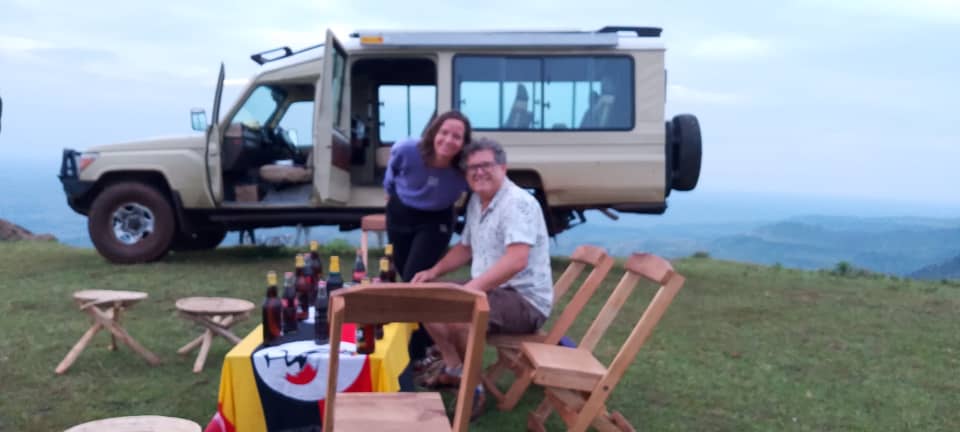
Game drives use 4x4 safari vehicles with pop-up roofs for 360-degree viewing and photography. Most vehicles accommodate 4-7 guests with window seats guaranteed for everyone. Professional drivers double as guides, skilled at spotting camouflaged wildlife.
The Experience
Drives typically last 3-4 hours covering 30-50 kilometers of park tracks. Your guide navigates based on recent sightings, animal behavior patterns, and radio communication with other guides. Expect periods of patient searching punctuated by exciting discoveries. Wildlife encounters are never guaranteed—that's the authentic safari experience.
Safari Etiquette
- Stay seated when near animals—never stand or lean out
- Keep voices low to avoid disturbing wildlife
- No flash photography—it stresses animals
- Stay inside the vehicle always (unless in designated areas)
- Don't litter—take all waste with you
- Respect minimum distances from wildlife
- Turn off mobile phone ringers
Typical Sightings
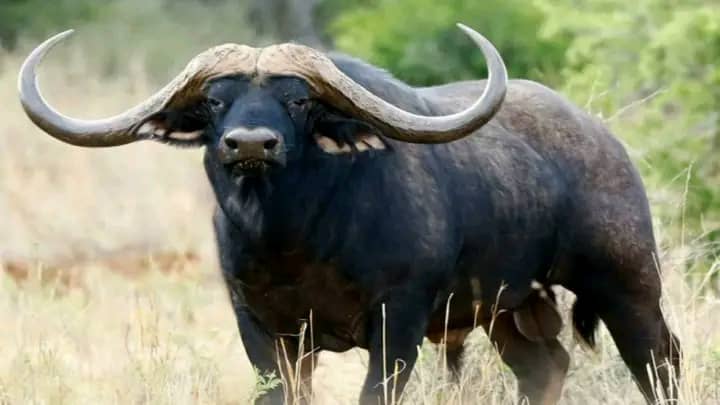
Most game drives yield 15-30 different species depending on season and luck. You'll almost certainly see elephants, buffaloes, various antelopes, warthogs, and abundant birds. Predator sightings (lions, leopards) occur on about 30-50% of drives. The thrill is in the search and the moments of spectacular discovery.
💡 Expert Tips for Game Drives
Book morning and evening drives: Wildlife activity peaks during cooler hours. Midday drives often yield fewer sightings as animals rest in shade. Choose the right seat: Front seats offer better views but can be bumpier. Middle rows provide comfort and good angles. Request your preference when booking. Be patient and quiet: The best sightings often come after patient waiting. Silence helps you hear wildlife sounds and allows closer approaches. Use your guide's expertise: Ask questions and learn about animal behavior, tracks, and ecology—it enriches the entire experience. Manage expectations: Wild animals are unpredictable. Some days bring incredible encounters; others are quieter. Every safari is unique—embrace the uncertainty. Combine parks: If time allows, visit multiple parks. Each has unique ecosystems and species. Queen Elizabeth + Murchison Falls makes an excellent combination.
Ready to Plan Your Uganda Game Drive Safari?
Let our expert team design your perfect game drive safari. We'll arrange park entry, experienced guides, quality vehicles, and accommodation to ensure an unforgettable wildlife experience.
ENQUIRE NOW