
The Ngorongoro Crater is one of Africa's most spectacular natural wonders and a UNESCO World Heritage Site. This massive volcanic caldera, formed over 2 million years ago, creates a natural amphitheater that contains the highest density of wildlife in Africa. With over 25,000 large animals living within its 260 square kilometers, the crater offers unparalleled opportunities to see the Big Five, including the rare black rhino, in a stunning natural setting.
🌋 The Ngorongoro Crater Experience
Crater Floor Wildlife
The crater floor is home to the highest density of wildlife in Africa, with over 25,000 large animals living in a natural amphitheater. The crater's unique ecosystem supports all of the Big Five, including the rare black rhino, making it one of the best places in Africa to see these magnificent animals.
Why the crater is special:
- Highest density of wildlife in Africa
- All Big Five present including rare black rhino
- Over 25,000 large animals in 260 sq km
- Natural amphitheater with stunning views
- UNESCO World Heritage Site
- Year-round wildlife viewing
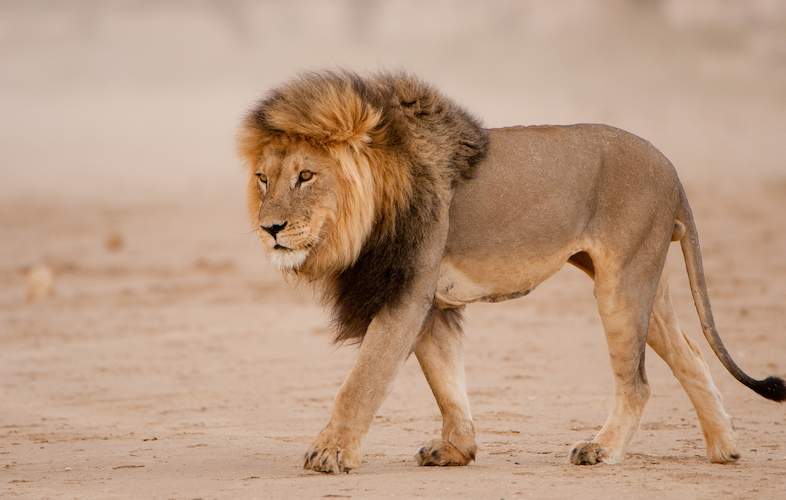
Crater Rim Views
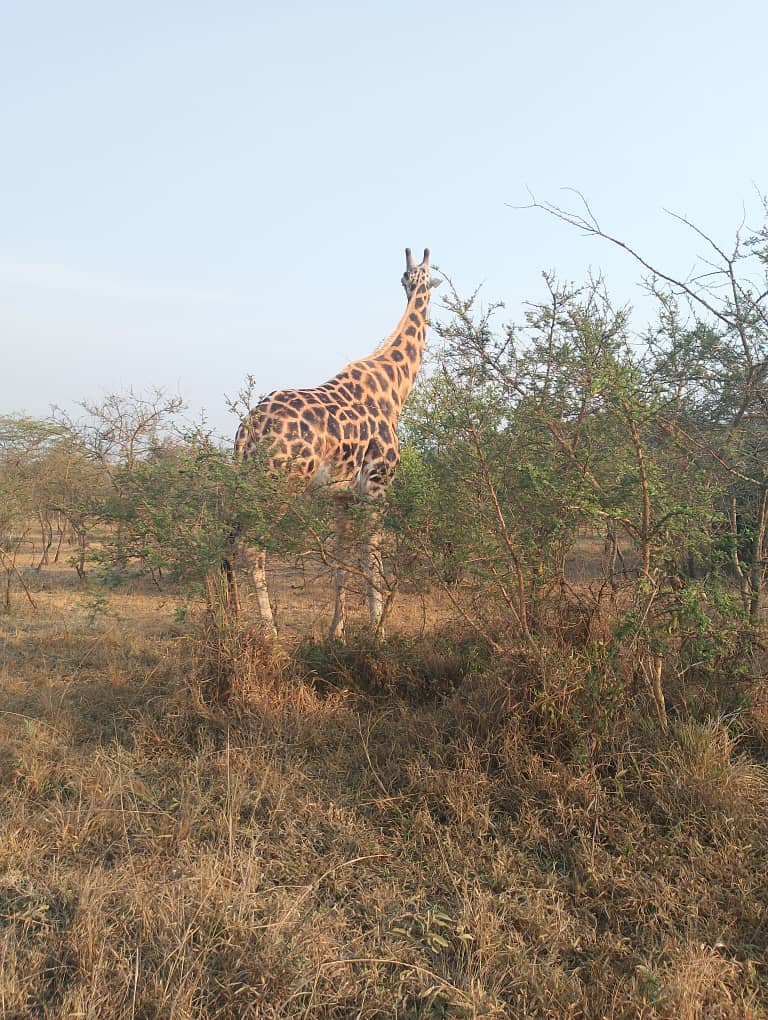
The crater rim offers spectacular panoramic views of the crater floor below. At 2,200 meters above sea level, the rim provides breathtaking vistas of the entire crater ecosystem, from the soda lake to the grasslands and forests.
Rim highlights:
- Spectacular panoramic views of the crater
- Luxury lodges with crater views
- Cooler temperatures at high altitude
- Forest walks and nature trails
- Cultural experiences with Maasai communities
- Sunrise and sunset photography opportunities
Crater Lake and Wetlands
The crater contains a shallow soda lake (Lake Magadi) and several freshwater springs that attract large numbers of flamingos, hippos, and other water-dependent species. These wetlands provide essential water sources for the crater's wildlife and create unique photography opportunities.
- Lake Magadi: Shallow soda lake with flamingo populations
- Freshwater springs: Essential water sources for wildlife
- Hippo pools: Large hippopotamus populations
- Flamingo flocks: Thousands of pink flamingos
- Water birds: Pelicans, storks, and herons
- Photography: Excellent opportunities for wildlife shots
Crater Descent and Game Drives
Descending into the crater is an adventure in itself, with a steep road winding down the crater walls. Once on the crater floor, game drives offer intimate encounters with wildlife in a compact, easily accessible area.
- Crater descent: Dramatic drive down steep crater walls
- Compact area: Easy to cover in a single day
- High success rate: Almost guaranteed Big Five sightings
- Year-round access: No seasonal restrictions
- Photography: Close encounters with wildlife
🌅 Best Time to Visit Ngorongoro Crater
The Ngorongoro Crater offers excellent wildlife viewing year-round due to its unique ecosystem, but different seasons provide varying experiences and conditions.
Dry Seasons (Best for Wildlife Viewing)
June to October: Peak dry season offers the best wildlife viewing with animals concentrated around water sources. Vegetation is shorter, making animals easier to spot, and the crater floor is easily accessible.
December to February: Short dry season with excellent visibility and pleasant temperatures. Wildlife is active and easily spotted, with clear skies perfect for photography.
Dry Season Advantages:
- Animals congregate around water sources
- Shorter vegetation for better visibility
- Clear skies and excellent photography
- Comfortable temperatures
- Best road conditions
Wet Seasons
March to May and November: Rainy seasons bring lush green landscapes and fewer tourists, though some roads may be challenging:
- Lush green landscapes and dramatic scenery
- Fewer tourists for more intimate experiences
- Lower accommodation rates
- Excellent bird watching opportunities
- Baby animals born during this period
- Some roads may be muddy or impassable
🚙 Crater Safari Experiences
Full Day Crater Safari
Duration: 6-8 hours in the crater
Spend a full day exploring the crater floor with a packed lunch. This comprehensive experience allows you to see all the crater's highlights, from the Big Five to the soda lake and various ecosystems within the crater.
- Maximum time to explore the crater
- See all major wildlife and ecosystems
- Lunch at a scenic picnic site
- Best for photography and wildlife viewing
- Guaranteed Big Five sightings
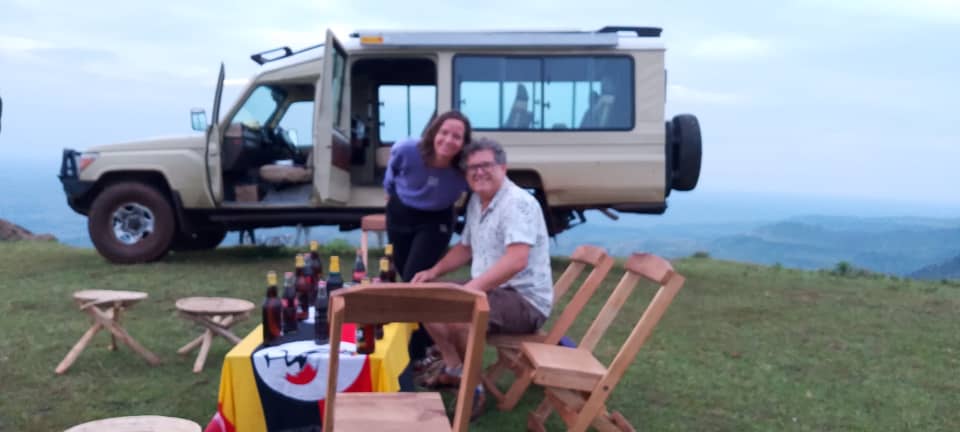
Half Day Crater Safari
Duration: 4-5 hours in the crater
Perfect for those with limited time or combining with other activities. This shorter safari still provides excellent wildlife viewing opportunities and covers the main highlights of the crater.
Crater Rim Walks
Explore the crater rim on foot with guided nature walks. These walks offer different perspectives of the crater and opportunities to see forest wildlife, birds, and enjoy the cooler temperatures at high altitude.
Cultural Experiences
Visit Maasai communities living around the crater rim. Learn about traditional Maasai culture, visit a traditional boma (homestead), and experience authentic Maasai hospitality and traditions.
🐘 Wildlife of the Ngorongoro Crater
The Big Five
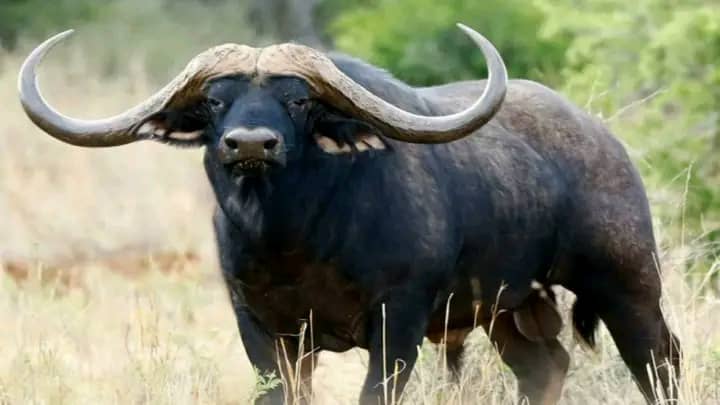
The Ngorongoro Crater is one of the best places in Africa to see all of the Big Five:
- Lions: Large prides with excellent viewing opportunities
- Leopards: Present but elusive, often in forested areas
- Elephants: Large herds, especially around water sources
- Buffaloes: Massive herds throughout the crater
- Black Rhinos: Rare and endangered, crater is one of the best places to see them
Other Iconic Wildlife
- Giraffes: Not present in the crater (steep walls prevent entry)
- Zebras: Large herds throughout the crater floor
- Hippos: Abundant in the soda lake and freshwater springs
- Wildebeest: Large herds, especially during migration periods
- Antelopes: Grant's gazelle, Thomson's gazelle, eland, topi
- Cheetahs: Present but less common than in Serengeti
- Hyenas: Large clans, excellent viewing opportunities
- Flamingos: Thousands in the soda lake during wet season
🎒 What to Pack for Game Drives
Proper preparation ensures comfort and maximizes your safari experience. Here's what to bring:
Essential Clothing
- Neutral colors: Khaki, brown, olive—avoid bright colors
- Layered clothing: Mornings are cool, afternoons hot
- Long sleeves and pants: Protection from sun and insects
- Warm jacket: Essential for early morning drives
- Sun hat with wide brim: Critical for sun protection
- Sunglasses: Polarized lenses reduce glare
Safari Equipment
- Binoculars: Essential for distant wildlife viewing
- Camera with telephoto lens: 200-400mm recommended
- Extra batteries and memory cards: Limited charging in parks
- Dust bags: Protect electronics from dust
- Field guidebook: For identifying species
- Notebook: Record sightings and memories
Health and Comfort
- Sunscreen: SPF 50+ for African sun exposure
- Insect repellent: DEET-based for mosquitoes and tsetse flies
- Water bottles: Stay hydrated during drives
- Snacks: Energy bars for long drives
- Personal medications: Include antimalarials
- Wet wipes and hand sanitizer: For hygiene
👀 What to Expect on a Game Drive
The Vehicle
Game drives use 4x4 safari vehicles with pop-up roofs for 360-degree viewing and photography. Most vehicles accommodate 4-7 guests with window seats guaranteed for everyone. Professional drivers double as guides, skilled at spotting camouflaged wildlife.
The Experience
Drives typically last 3-4 hours covering 30-50 kilometers of park tracks. Your guide navigates based on recent sightings, animal behavior patterns, and radio communication with other guides. Expect periods of patient searching punctuated by exciting discoveries. Wildlife encounters are never guaranteed—that's the authentic safari experience.
Safari Etiquette
- Stay seated when near animals—never stand or lean out
- Keep voices low to avoid disturbing wildlife
- No flash photography—it stresses animals
- Stay inside the vehicle always (unless in designated areas)
- Don't litter—take all waste with you
- Respect minimum distances from wildlife
- Turn off mobile phone ringers
Typical Sightings
Most game drives yield 15-30 different species depending on season and luck. You'll almost certainly see elephants, buffaloes, various antelopes, warthogs, and abundant birds. Predator sightings (lions, leopards) occur on about 30-50% of drives. The thrill is in the search and the moments of spectacular discovery.
💡 Expert Tips for Game Drives
Book morning and evening drives: Wildlife activity peaks during cooler hours. Midday drives often yield fewer sightings as animals rest in shade. Choose the right seat: Front seats offer better views but can be bumpier. Middle rows provide comfort and good angles. Request your preference when booking. Be patient and quiet: The best sightings often come after patient waiting. Silence helps you hear wildlife sounds and allows closer approaches. Use your guide's expertise: Ask questions and learn about animal behavior, tracks, and ecology—it enriches the entire experience. Manage expectations: Wild animals are unpredictable. Some days bring incredible encounters; others are quieter. Every safari is unique—embrace the uncertainty. Combine parks: If time allows, visit multiple parks. Each has unique ecosystems and species. Queen Elizabeth + Murchison Falls makes an excellent combination.
Ready to Plan Your Uganda Game Drive Safari?
Let our expert team design your perfect game drive safari. We'll arrange park entry, experienced guides, quality vehicles, and accommodation to ensure an unforgettable wildlife experience.
ENQUIRE NOW