
Uganda is a birder's paradise, hosting over 1,060 recorded bird species—more than 50% of Africa's total bird species and 11% of the world's birds in a country the size of Oregon. From the prehistoric-looking Shoebill in papyrus swamps to colorful Great Blue Turacos in montane forests, Uganda's diverse ecosystems create unparalleled birding opportunities. Whether you're a serious twitcher seeking rare endemics or a casual nature lover appreciating beautiful species, Uganda delivers world-class bird watching experiences year-round.
🦜Why Uganda is a Birding Paradise
Uganda's remarkable bird diversity stems from its position at the convergence of East and West African ecosystems, combined with elevations ranging from 621m to 5,109m. This creates an incredible variety of habitats:
- 1,060+ bird species recorded, including 24 Albertine Rift endemics
- Compact geography allows visiting multiple ecosystems in days
- Unique species like Shoebill, Green-breasted Pitta, African Green Broadbill
- Year-round birding with resident and migratory species
- Accessible locations near roads and established trails
- Diverse habitats from swamps to alpine zones
📍Top Birding Destinations in Uganda
Bwindi Impenetrable National Park
Famous for mountain gorillas, Bwindi is equally exceptional for birds with 350+ species including 23 Albertine Rift endemics—more than any other East African site.
Star Species:
- African Green Broadbill (rare and localized)
- Shelley's Crimsonwing
- Grauer's Swamp Warbler
- Handsome Francolin
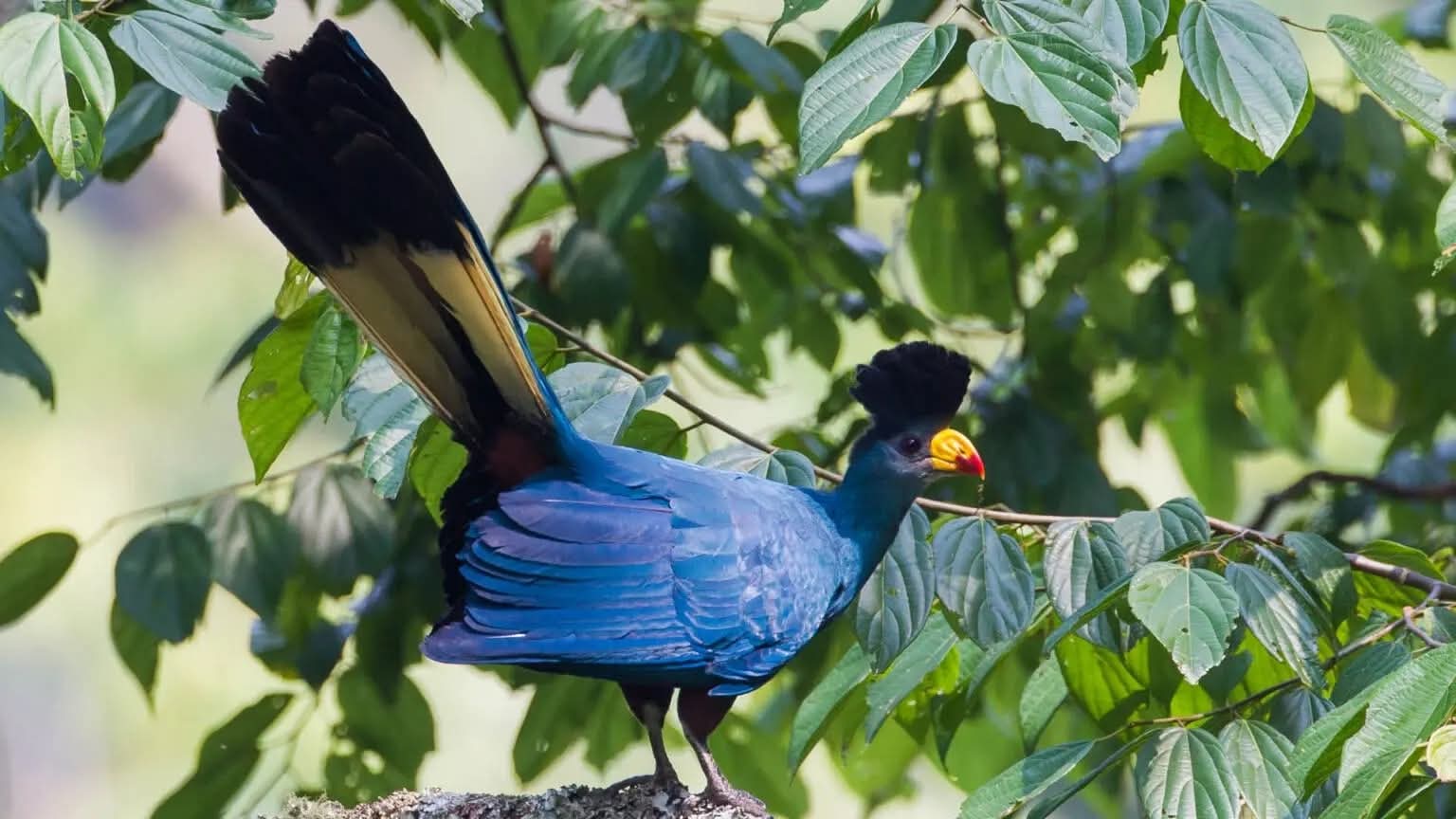
- Great Blue Turaco
- Chapin's Flycatcher
Queen Elizabeth National Park
Uganda's top birding destination with 600+ species across savanna, wetland, and forest habitats. The Kazinga Channel alone hosts incredible water bird diversity.
Highlights:
- Highest bird count in Uganda's national parks
- African Skimmer on Kazinga Channel
- Pied Kingfisher, Malachite Kingfisher
- Martial Eagle, African Fish Eagle
- Pink-backed Pelican, Yellow-billed Stork
Mabamba Swamp
Just 50km from Kampala, Mabamba is the most accessible and reliable location for Uganda's most sought-after bird—the prehistoric Shoebill stork. Early morning canoe excursions through papyrus channels provide 90%+ success rates. Also excellent for wetland species like Blue Swallow, White-winged Warbler, and Pallid Harrier.
Murchison Falls National Park
Over 450 bird species inhabit this savanna park, including the rare Shoebill along the Nile Delta. Boat cruises to the falls provide excellent viewing of Rock Pratincole, Red-throated Bee-eater, and various raptors. Savanna species include Northern Carmine Bee-eater, Abyssinian Ground Hornbill, and Secretary Bird.
Kibale Forest National Park
The "Primate Capital" is also exceptional for forest birds with 375 species. Bigodi Wetland Sanctuary on the park edge offers superb swamp birding. Key species include Green-breasted Pitta, African Pitta, Nahan's Francolin, and White-naped Pigeon.
Semuliki National Park
Uganda's only lowland tropical rainforest hosts 441 species, including many West African birds found nowhere else in East Africa. The Ntandi area is famous for Congo Serpent Eagle, Lyre-tailed Honeyguide, and Red-billed Dwarf Hornbill.
🗓️Best Time for Bird Watching in Uganda
Uganda offers excellent birding year-round, but timing affects species diversity and viewing conditions.
November to April (Peak Birding Season)
November to February: Maximum species diversity as Palearctic migrants from Europe and Asia join resident birds. Breeding plumage makes identification easier.
March to April: Rainy season birding with beautiful landscapes and active nesting behavior.
Advantages:
- Highest species counts with migrants present
- Breeding plumage and display behaviors
- Active bird song for easier locating
- Lush green landscapes
May to October
Resident species focus: Migrants have departed, but forest birding remains excellent. Drier conditions provide better trail access. September-October sees intra-African migrants. Generally fewer tourists and good photography light.
🌟Must-See Bird Species in Uganda
Iconic & Rare Species
- Shoebill: Prehistoric-looking, found in Mabamba, Murchison Falls
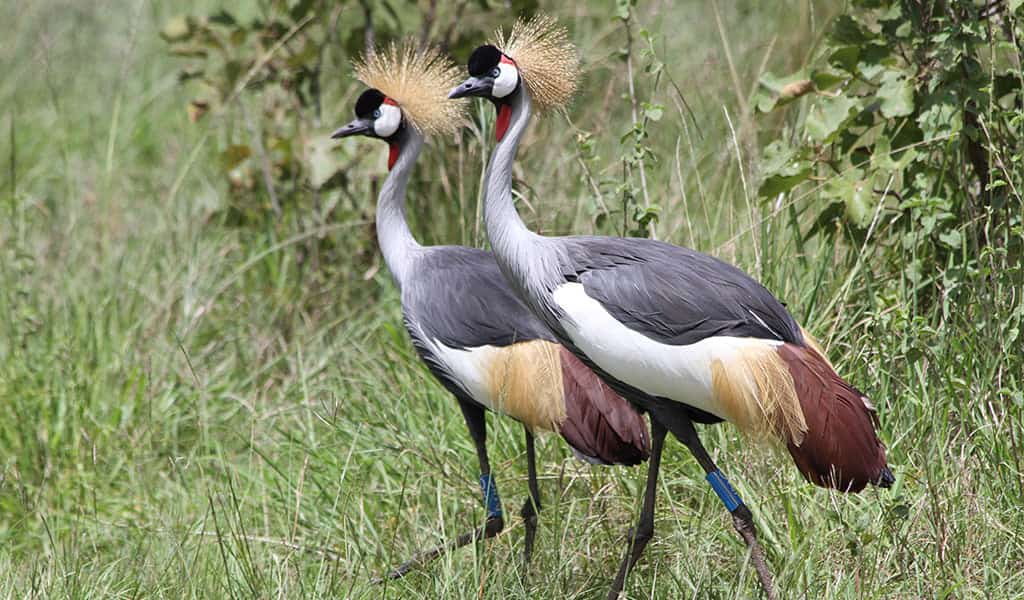
- Grey Crowned Crane: Uganda's national bird, savanna wetlands
- African Green Broadbill: Extremely rare, Bwindi forests
- Great Blue Turaco: Large, colorful, montane forests
- Green-breasted Pitta: Elusive, Kibale Forest
- African Finfoot: Rare, rivers and streams
Colorful & Photogenic Species
- Lilac-breasted Roller: Stunning savanna bird
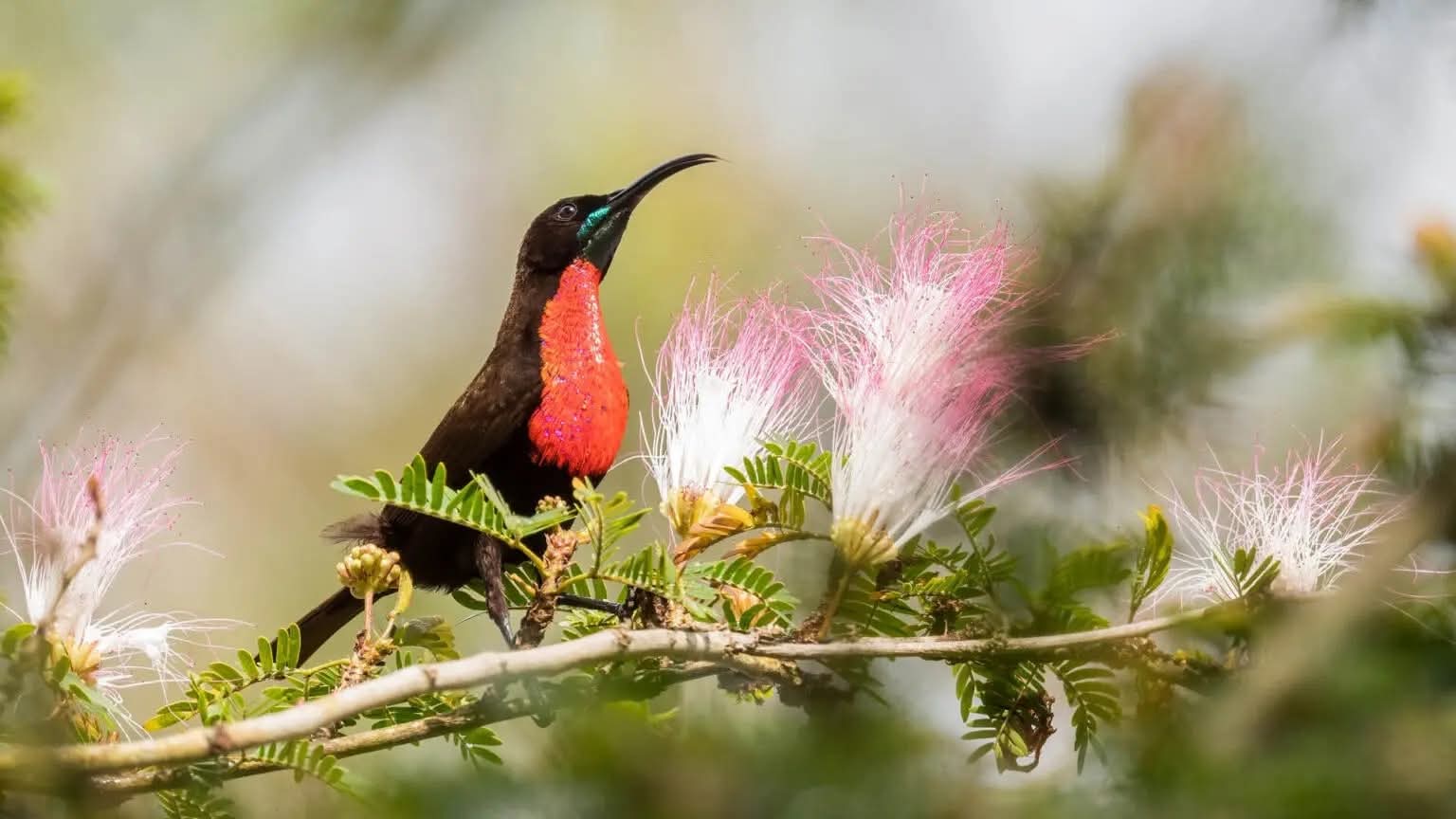
- Sunbirds: 30+ species including Scarlet-chested, Malachite
- Bee-eaters: Northern Carmine, Little, Blue-cheeked
- Turacos: Ross's, Lady Ross's, White-crested
- Kingfishers: 12 species including Giant, Pied, Malachite
🎒What to Pack for Bird Watching
Essential Optics
- Binoculars: 8x42 or 10x42 essential for birding
- Spotting scope: Optional but valuable for distant species
- Camera: 400-600mm lens for bird photography
- Field guide: "Birds of East Africa" recommended
- Notebook and pen: For logging sightings
Clothing & Gear
- Neutral colors: Olive, brown, khaki—avoid bright colors
- Rain gear: Lightweight waterproof jacket essential
- Long sleeves/pants: For forest birding protection
- Sun hat: For savanna birding
- Comfortable walking shoes: Waterproof preferred
Other Essentials
- Insect repellent: DEET-based for mosquitoes
- Sunscreen: SPF 30+ for all-day outings
- Water bottle: Stay hydrated during birding walks
- Birding apps: Merlin Bird ID, eBird for logging
- Headlamp: For early morning starts
👀What to Expect on a Birding Safari
Typical Birding Day
Early Morning (6:00-10:00 AM): Prime birding time when birds are most active and vocal. Forest walks, swamp excursions, or savanna drives focusing on dawn chorus and feeding activity.
Midday Break: Birds quieter during heat. Time for rest, equipment maintenance, and species identification review.
Afternoon/Evening (3:00-7:00 PM): Second active period as temperatures cool. Different species emerge, and late-day light creates beautiful photography opportunities.
Birding Methods
- Forest walks: Guided trails through montane and lowland forests
- Canoe excursions: Essential for wetland and Shoebill birding
- Vehicle-based birding: Savanna parks with open-roof safari vehicles
- Boat cruises: Rivers and channels for water birds
- Specialized hides: For shy or rare forest species
💡 Expert Birding Tips
Start early: The first 2-3 hours after dawn produce 70% of sightings. Dawn chorus peaks 30 minutes before sunrise. Hire specialist birding guides: Local guides know bird calls, locations, and behaviors—dramatically improving success rates for rare species. Use playback sparingly: Bird call playback can attract species but should be used ethically and minimally to avoid stressing birds. Keep a life list: Log sightings with eBird app—contributing to citizen science while tracking your personal records. Be patient and quiet: Many forest birds are shy. Sitting quietly in productive areas often yields better results than constant walking. Combine destinations: A 10-14 day Uganda birding safari can realistically yield 400-500+ species by visiting 4-5 key locations.
Ready to Plan Your Uganda Birding Safari?
Let our expert birding guides design your perfect ornithological adventure. We'll arrange specialist guides, optimal locations, and itineraries targeting your wish-list species.
ENQUIRE NOW